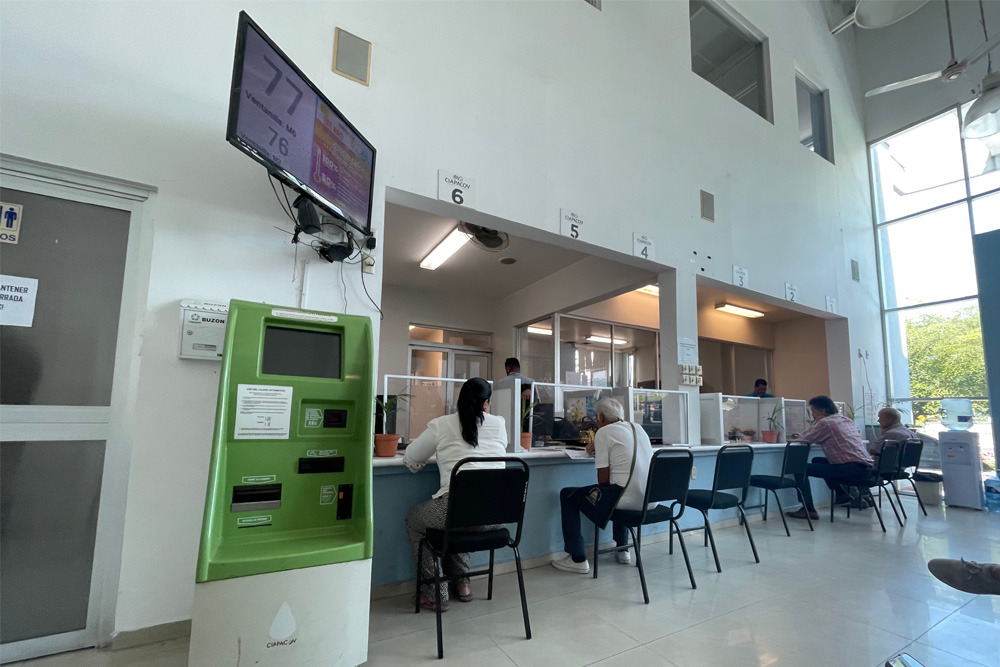
You’ve probably heard someone say it before: “I don’t want to take handouts.” Maybe you’ve even said it yourself. There’s a peculiar stigma around government assistance programs in America, one that makes many people feel ashamed for using resources specifically designed to help them.
But here’s the truth: these programs exist because society collectively decided they should. It is NOT charity. Not handouts. These programs are a part of the social infrastructure you’ve been paying into your entire working life. If you’re struggling to make ends meet, hesitating to apply for benefits because of some misplaced sense of pride, you’re essentially leaving your own money on the table. Let’s clear up this misconception once and for all.
Government Benefits Are Built for You to Use
Government assistance programs didn’t appear out of thin air. Congress created them through deliberate legislation, funded by taxpayer dollars. Programs like SNAP (Supplemental Nutrition Assistance Program), Medicaid, and the Earned Income Tax Credit exist because policymakers recognized a fundamental truth: even in a wealthy nation, people face circumstances beyond their control. Job loss, medical emergencies, and economic downturns don’t discriminate. These programs serve as stabilizers that prevent individual hardships from cascading into broader economic crises.
Think about it this way: you pay taxes throughout your working life. Those taxes fund everything from roads to schools to yes, social programs. When you use benefits, you’re accessing a system you’ve contributed to building. The Congressional Budget Office estimates that safety net programs keep millions of Americans out of poverty each year. These aren’t experimental initiatives. They’re proven mechanisms that keep our economy functioning during tough times.
The modern digital economy has made these programs more accessible than ever. States now offer online portals for applications, and fintech companies have developed tools to help people identify which benefits they qualify for. This technological transformation removes many traditional barriers to access. You don’t need to take a day off work to stand in line at a government office anymore. The system has evolved to meet you where you are.
Debunking the “Cheating” Narrative
The idea that using government benefits equals cheating stems from a fundamental misunderstanding of how these systems work. Strict eligibility requirements govern every program. You can’t just decide to collect benefits on a whim. Agencies verify your income, household size, and other qualifying factors. The application process itself can be rigorous and time-consuming. If you qualify, you’ve met criteria established by law. There’s nothing dishonest about that.
This stigma causes real harm. Studies show that many eligible Americans never apply for benefits they desperately need. The Center on Budget and Policy Priorities reports that participation rates for some programs hover around 75%, meaning millions of qualified individuals go without assistance. That’s billions of dollars in unclaimed benefits each year. These aren’t people gaming the system. They’re people who’ve internalized shame about needing help.
Consider unemployment insurance as an example. Your employer pays into this system specifically to provide you with income if you lose your job through no fault of your own. When you collect unemployment, you’re not cheating anyone. You’re using insurance that was purchased on your behalf. The same logic applies to other programs. They exist precisely for moments when you need them.
Smart Money Management Means Claiming What’s Yours
Smart personal finance isn’t just about budgeting and investing. It’s about maximizing all your resources, including government benefits. Financial advisors increasingly recognize this reality. When creating a comprehensive financial plan, they consider tax credits, healthcare subsidies, and other programs their clients might qualify for. This represents a shift in how we think about money management in the digital age.
The fintech revolution has made identifying benefits easier than ever. Apps and websites now exist specifically to match you with programs based on your circumstances. These tools integrate with your financial data to provide personalized recommendations. This isn’t about finding loopholes. It’s about ensuring you don’t miss opportunities designed for people in your situation. Missing out on a $3,000 Earned Income Tax Credit because you didn’t know it existed? That’s poor financial planning, plain and simple.
Young professionals face unique economic challenges that previous generations didn’t encounter at the same scale. Student loan debt, rising housing costs, and wage stagnation have changed the financial landscape. Government programs have evolved to address these realities. Claiming benefits you’re entitled to gives you breathing room to tackle long-term goals like debt repayment or building an emergency fund. It’s strategic, not shameful.
The Ripple Effect of Using Benefits
When you use government benefits, you’re not just helping yourself. You’re contributing to economic stability in your community. SNAP benefits, for instance, generate economic activity. Every dollar spent on food stamps produces roughly $1.50 in economic impact, according to USDA estimates. That money flows to grocery stores, which employ workers, which supports local economies. Your use of benefits literally helps your neighbors.
This multiplier effect matters especially during economic downturns. When people have money to spend on basics, businesses stay afloat. Jobs get preserved. Communities remain intact. The 2020 pandemic demonstrated this clearly. Enhanced unemployment benefits and stimulus payments prevented a much deeper economic collapse. Individual recipients weren’t being selfish by accepting help. They were participating in a massive economic stabilization effort.
Healthcare subsidies through the Affordable Care Act marketplace provide another example. When more people have health insurance, everyone benefits through reduced emergency room costs and better public health outcomes. Your decision to claim a subsidy you qualify for contributes to this positive cycle. It’s good personal finance and good citizenship rolled into one.
Protecting Yourself in the Digital Benefits Landscape
As benefits administration moves online, protecting your data becomes crucial. Government portals handle sensitive personal information. Use strong, unique passwords for each benefits account. Enable two-factor authentication wherever available. Be cautious about third-party apps that request access to your benefits information. Verify they’re legitimate before granting permissions.
Regulatory changes continue to shape how benefits work and who qualifies. The digital transformation of government services means faster updates but also requires staying informed. Subscribe to updates from relevant agencies. Check eligibility annually, as rules change and your circumstances evolve. What you didn’t qualify for last year might be available now.
Consumer protection extends to benefits applications. You have rights in this process. Agencies must protect your privacy and provide clear information about eligibility. If you’re denied benefits you believe you qualify for, appeal processes exist. Don’t assume the initial decision is final. Many successful appeals happen simply because applicants provided additional documentation or clarification.
The narrative that government benefits represent handouts or cheating needs to end. These programs exist because we collectively decided that no one should fall through the cracks due to circumstances beyond their control. They’re funded by taxes you pay and designed for moments when you need support. Using them isn’t gaming the system—it’s participating in it as intended. Smart money management in 2024 means understanding all your resources, including government programs you’ve been paying into throughout your career. The digital transformation of benefits administration has made access easier than ever. Stop letting outdated stigma prevent you from claiming what’s rightfully yours. Your financial well-being matters, and these programs exist to support it.
References
- Center on Budget and Policy Priorities – “Chart Book: SNAP Helps Struggling Families Put Food on the Table” – https://www.cbpp.org/research/food-assistance/chart-book-snap-helps-struggling-families-put-food-on-the-table
- NerdWallet – “What Is the Earned Income Tax Credit?” – https://www.nerdwallet.com/article/taxes/earned-income-tax-credit
- USA.gov – “Government Benefits” – https://www.usa.gov/benefits
You’ve probably heard someone say it before: “I don’t want to take handouts.” Maybe you’ve even said it yourself. There’s a peculiar stigma around government assistance programs in America, one that makes many people feel ashamed for using resources specifically designed to help them.
But here’s the truth: these programs exist because society collectively decided they should. It is NOT charity. Not handouts. These programs are a part of the social infrastructure you’ve been paying into your entire working life. If you’re struggling to make ends meet, hesitating to apply for benefits because of some misplaced sense of pride, you’re essentially leaving your own money on the table. Let’s clear up this misconception once and for all.
Government Benefits Are Built for You to Use
Government assistance programs didn’t appear out of thin air. Congress created them through deliberate legislation, funded by taxpayer dollars. Programs like SNAP (Supplemental Nutrition Assistance Program), Medicaid, and the Earned Income Tax Credit exist because policymakers recognized a fundamental truth: even in a wealthy nation, people face circumstances beyond their control. Job loss, medical emergencies, and economic downturns don’t discriminate. These programs serve as stabilizers that prevent individual hardships from cascading into broader economic crises.
Think about it this way: you pay taxes throughout your working life. Those taxes fund everything from roads to schools to yes, social programs. When you use benefits, you’re accessing a system you’ve contributed to building. The Congressional Budget Office estimates that safety net programs keep millions of Americans out of poverty each year. These aren’t experimental initiatives. They’re proven mechanisms that keep our economy functioning during tough times.
The modern digital economy has made these programs more accessible than ever. States now offer online portals for applications, and fintech companies have developed tools to help people identify which benefits they qualify for. This technological transformation removes many traditional barriers to access. You don’t need to take a day off work to stand in line at a government office anymore. The system has evolved to meet you where you are.
Debunking the “Cheating” Narrative
The idea that using government benefits equals cheating stems from a fundamental misunderstanding of how these systems work. Strict eligibility requirements govern every program. You can’t just decide to collect benefits on a whim. Agencies verify your income, household size, and other qualifying factors. The application process itself can be rigorous and time-consuming. If you qualify, you’ve met criteria established by law. There’s nothing dishonest about that.
This stigma causes real harm. Studies show that many eligible Americans never apply for benefits they desperately need. The Center on Budget and Policy Priorities reports that participation rates for some programs hover around 75%, meaning millions of qualified individuals go without assistance. That’s billions of dollars in unclaimed benefits each year. These aren’t people gaming the system. They’re people who’ve internalized shame about needing help.
Consider unemployment insurance as an example. Your employer pays into this system specifically to provide you with income if you lose your job through no fault of your own. When you collect unemployment, you’re not cheating anyone. You’re using insurance that was purchased on your behalf. The same logic applies to other programs. They exist precisely for moments when you need them.
Smart Money Management Means Claiming What’s Yours
Smart personal finance isn’t just about budgeting and investing. It’s about maximizing all your resources, including government benefits. Financial advisors increasingly recognize this reality. When creating a comprehensive financial plan, they consider tax credits, healthcare subsidies, and other programs their clients might qualify for. This represents a shift in how we think about money management in the digital age.
The fintech revolution has made identifying benefits easier than ever. Apps and websites now exist specifically to match you with programs based on your circumstances. These tools integrate with your financial data to provide personalized recommendations. This isn’t about finding loopholes. It’s about ensuring you don’t miss opportunities designed for people in your situation. Missing out on a $3,000 Earned Income Tax Credit because you didn’t know it existed? That’s poor financial planning, plain and simple.
Young professionals face unique economic challenges that previous generations didn’t encounter at the same scale. Student loan debt, rising housing costs, and wage stagnation have changed the financial landscape. Government programs have evolved to address these realities. Claiming benefits you’re entitled to gives you breathing room to tackle long-term goals like debt repayment or building an emergency fund. It’s strategic, not shameful.
The Ripple Effect of Using Benefits
When you use government benefits, you’re not just helping yourself. You’re contributing to economic stability in your community. SNAP benefits, for instance, generate economic activity. Every dollar spent on food stamps produces roughly $1.50 in economic impact, according to USDA estimates. That money flows to grocery stores, which employ workers, which supports local economies. Your use of benefits literally helps your neighbors.
This multiplier effect matters especially during economic downturns. When people have money to spend on basics, businesses stay afloat. Jobs get preserved. Communities remain intact. The 2020 pandemic demonstrated this clearly. Enhanced unemployment benefits and stimulus payments prevented a much deeper economic collapse. Individual recipients weren’t being selfish by accepting help. They were participating in a massive economic stabilization effort.
Healthcare subsidies through the Affordable Care Act marketplace provide another example. When more people have health insurance, everyone benefits through reduced emergency room costs and better public health outcomes. Your decision to claim a subsidy you qualify for contributes to this positive cycle. It’s good personal finance and good citizenship rolled into one.
Protecting Yourself in the Digital Benefits Landscape
As benefits administration moves online, protecting your data becomes crucial. Government portals handle sensitive personal information. Use strong, unique passwords for each benefits account. Enable two-factor authentication wherever available. Be cautious about third-party apps that request access to your benefits information. Verify they’re legitimate before granting permissions.
Regulatory changes continue to shape how benefits work and who qualifies. The digital transformation of government services means faster updates but also requires staying informed. Subscribe to updates from relevant agencies. Check eligibility annually, as rules change and your circumstances evolve. What you didn’t qualify for last year might be available now.
Consumer protection extends to benefits applications. You have rights in this process. Agencies must protect your privacy and provide clear information about eligibility. If you’re denied benefits you believe you qualify for, appeal processes exist. Don’t assume the initial decision is final. Many successful appeals happen simply because applicants provided additional documentation or clarification.
The narrative that government benefits represent handouts or cheating needs to end. These programs exist because we collectively decided that no one should fall through the cracks due to circumstances beyond their control. They’re funded by taxes you pay and designed for moments when you need support. Using them isn’t gaming the system—it’s participating in it as intended. Smart money management in 2024 means understanding all your resources, including government programs you’ve been paying into throughout your career. The digital transformation of benefits administration has made access easier than ever. Stop letting outdated stigma prevent you from claiming what’s rightfully yours. Your financial well-being matters, and these programs exist to support it.
References
- Center on Budget and Policy Priorities – “Chart Book: SNAP Helps Struggling Families Put Food on the Table” – https://www.cbpp.org/research/food-assistance/chart-book-snap-helps-struggling-families-put-food-on-the-table
- NerdWallet – “What Is the Earned Income Tax Credit?” – https://www.nerdwallet.com/article/taxes/earned-income-tax-credit
- USA.gov – “Government Benefits” – https://www.usa.gov/benefits






)