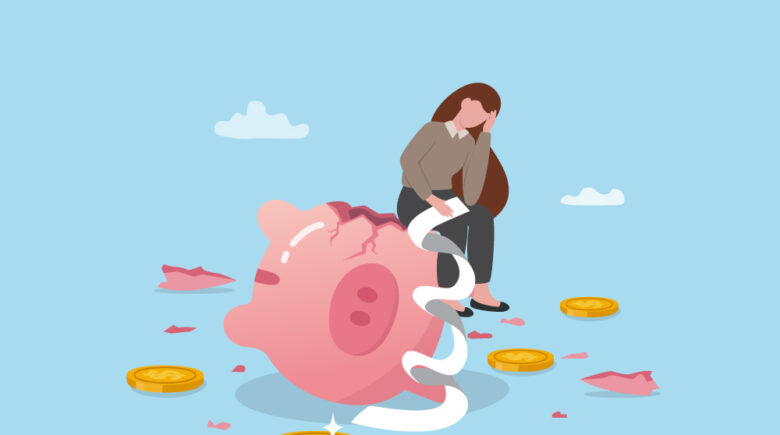
You’ve heard it a thousand times: skip the daily latte, and you’ll finally afford that down payment. Personal finance gurus love pointing fingers at small indulgences. But here’s the uncomfortable truth—your $5 coffee isn’t the villain in your financial story. While you’re busy guilt-tripping yourself over a cappuccino, much larger expenses are quietly demolishing your budget. The real culprits? They’re the ones you’ve normalized, automated, and possibly forgotten about entirely.
Understanding what actually drains your bank account requires looking beyond the obvious scapegoats and confronting the heavyweight expenses that financial influencers rarely discuss with the same fervor they reserve for shaming your morning ritual.
The Real Budget Killers Hiding in Plain Sight
Your rent or mortgage payment represents the single largest threat to your financial stability. The traditional advice suggests spending no more than 30% of your gross income on housing. Yet many millennials blow past this threshold without a second thought. In competitive markets like San Francisco, New York, or Seattle, finding affordable housing feels impossible.
The problem intensifies when you factor in the hidden costs of housing. Property taxes climb year after year. Homeowners insurance premiums have surged nationwide. Maintenance expenses catch first-time homeowners off guard. Renters aren’t immune either—utility costs, renter’s insurance, and parking fees add up quickly. According to the Joint Center for Housing Studies at Harvard University, more than 20 million U.S. households spend over half their income on housing costs.
This housing burden creates a domino effect throughout your entire financial life. You can’t save for retirement when rent consumes 50% of your paycheck. Emergency funds remain perpetually empty. Career opportunities in lower-cost cities get dismissed because you’ve convinced yourself you need to stay in expensive metros. The solution isn’t always moving to a cheaper city, but it does require honest conversations about whether your current housing situation aligns with your broader financial goals.
Transportation: The Budget Category You’re Underestimating
Car ownership costs Americans an average of $10,728 annually, according to AAA’s 2023 Your Driving Costs study. That breaks down to nearly $900 per month. Your car payment might be $400, but you’re forgetting about insurance, gas, maintenance, and depreciation. These expenses compound faster than you realize.
Fintech apps have made car buying dangerously easy. You can get approved for an auto loan in minutes without understanding the true cost. Dealerships push longer loan terms—72 or even 84 months—making monthly payments seem affordable. Meanwhile, you’re paying interest on a depreciating asset for seven years. The car loses value the moment you drive it off the lot, but your loan balance stays stubbornly high.
Public transportation isn’t always practical, but it’s worth reconsidering. Even in car-dependent cities, rideshare services might cost less than ownership when you factor in all expenses. Some millennials are embracing car-sharing services or going car-free entirely. The digital transformation of transportation—from electric scooters to improved rideshare apps—makes this increasingly viable. Calculate your true transportation costs before assuming you need that new SUV.
How Subscription Creep Drains Your Bank Account
Streaming services revolutionized entertainment, but they’ve also created a new budget trap. Netflix, Hulu, Disney+, HBO Max, Paramount+, Apple TV+—the list keeps growing. Each one costs just $10 to $20 monthly. Individually, they seem harmless. Collectively, they rival a car payment.
Subscription creep extends far beyond entertainment. You’ve got Spotify Premium, YouTube Premium, cloud storage, meal kit services, and fitness apps. That meditation app auto-renews annually. Your Amazon Prime membership just increased again. Before you know it, you’re spending $300 to $500 monthly on subscriptions. A 2023 study by C+R Research found that consumers underestimate their monthly subscription spending by about $133.
The insidious nature of subscriptions lies in their invisibility. Companies deliberately make cancellation difficult. They bet on you forgetting about services you no longer use. Auto-renewal happens silently, buried in credit card statements you barely review. Financial institutions and fintech companies have started offering subscription tracking tools, but you need to actively use them. Set a quarterly reminder to audit every recurring charge hitting your accounts.
Regulatory Gaps and Consumer Protection
The subscription economy operates in a regulatory gray area that doesn’t favor consumers. Companies can change terms, raise prices, and make cancellation unnecessarily complex. The FTC has proposed new rules requiring clear cancellation processes, but implementation remains incomplete.
Digital transformation has outpaced consumer protection laws. When you sign up for a service, you’re agreeing to pages of terms you’ll never read. These agreements often include automatic price increases and data sharing provisions. Your payment information gets stored, making it frictionless to charge you month after month.
Some states are fighting back with stronger consumer protection laws. California’s automatic renewal law requires clear disclosure and easy cancellation. Other states are considering similar legislation. As consumers, we need to demand better practices from subscription services. Vote with your wallet by supporting companies that make cancellation straightforward and transparent.
The Fintech Solution to Subscription Management
Technology created this problem, but it’s also offering solutions. Apps like Rocket Money, Truebill, and Mint now include subscription tracking features. These tools connect to your bank accounts and identify recurring charges. Some will even negotiate lower rates or cancel services on your behalf.
The rise of virtual card numbers provides another defense mechanism. Services like Privacy.com let you create temporary card numbers for subscriptions. You can set spending limits or create single-use cards. This prevents unwanted charges and gives you control over your recurring expenses.
Banks themselves are integrating these features into their digital platforms. Chase, Bank of America, and other major institutions now highlight subscription charges in their apps. They’re recognizing that helping customers manage subscriptions builds loyalty and trust. As fintech solutions mature, managing subscription creep becomes easier—but only if you actively engage with these tools.
Taking Control of Your Actual Budget Breakers
The coffee shaming needs to stop. $150 monthly coffee habit isn’t preventing homeownership. Your $2,000 rent payment that should be $1,400 is the real problem. And the $850 monthly transportation costs deserve scrutiny. Those 15 subscriptions you forgot about are quietly stealing your financial future!
Start by tracking your three largest expense categories: housing, transportation, and subscriptions. These are your budget killers. Housing might require tough decisions—roommates, relocation, or downsizing. Transportation could mean buying used instead of new, or ditching car ownership entirely. Subscriptions need a quarterly audit with ruthless cancellations.
The digital transformation of finance gives you unprecedented tools to manage these expenses. Use them. Set up alerts for large transactions. Review your subscriptions monthly. Calculate your true housing and transportation costs. Make data-driven decisions instead of emotional ones. Your budget will thank you more than skipping coffee ever could.
Personal finance advice often focuses on the wrong targets because small indulgences make easy scapegoats. Telling someone to skip coffee requires no nuance or difficult conversations. Addressing housing costs, transportation expenses, and subscription creep demands uncomfortable honesty about lifestyle choices and systemic issues.
The good news? Once you identify your actual budget breakers, you can take meaningful action. Redirect the energy you’ve spent feeling guilty about lattes toward negotiating rent, refinancing your car loan, or canceling unused subscriptions. The savings from these actions will dwarf anything you’d gain from coffee abstinence. Financial wellness isn’t about deprivation—it’s about allocating resources toward what truly matters to you and eliminating the silent budget killers that don’t.
References
- Joint Center for Housing Studies of Harvard University. “The State of the Nation’s Housing 2023.” Harvard University, https://www.jchs.harvard.edu/state-nations-housing-2023
- AAA. “Your Driving Costs: How Much Are You Really Paying to Drive?” AAA NewsRoom, 2023, https://newsroom.aaa.com/tag/driving-costs/
- Woroch, Andrea. “Americans Underestimate What They Spend on Subscriptions by $133 Per Month.” C+R Research, https://www.crresearch.com/blog/americans-underestimate-what-they-spend-on-subscriptions-by-133-per-month
You’ve heard it a thousand times: skip the daily latte, and you’ll finally afford that down payment. Personal finance gurus love pointing fingers at small indulgences. But here’s the uncomfortable truth—your $5 coffee isn’t the villain in your financial story. While you’re busy guilt-tripping yourself over a cappuccino, much larger expenses are quietly demolishing your budget. The real culprits? They’re the ones you’ve normalized, automated, and possibly forgotten about entirely.
Understanding what actually drains your bank account requires looking beyond the obvious scapegoats and confronting the heavyweight expenses that financial influencers rarely discuss with the same fervor they reserve for shaming your morning ritual.
The Real Budget Killers Hiding in Plain Sight
Your rent or mortgage payment represents the single largest threat to your financial stability. The traditional advice suggests spending no more than 30% of your gross income on housing. Yet many millennials blow past this threshold without a second thought. In competitive markets like San Francisco, New York, or Seattle, finding affordable housing feels impossible.
The problem intensifies when you factor in the hidden costs of housing. Property taxes climb year after year. Homeowners insurance premiums have surged nationwide. Maintenance expenses catch first-time homeowners off guard. Renters aren’t immune either—utility costs, renter’s insurance, and parking fees add up quickly. According to the Joint Center for Housing Studies at Harvard University, more than 20 million U.S. households spend over half their income on housing costs.
This housing burden creates a domino effect throughout your entire financial life. You can’t save for retirement when rent consumes 50% of your paycheck. Emergency funds remain perpetually empty. Career opportunities in lower-cost cities get dismissed because you’ve convinced yourself you need to stay in expensive metros. The solution isn’t always moving to a cheaper city, but it does require honest conversations about whether your current housing situation aligns with your broader financial goals.
Transportation: The Budget Category You’re Underestimating
Car ownership costs Americans an average of $10,728 annually, according to AAA’s 2023 Your Driving Costs study. That breaks down to nearly $900 per month. Your car payment might be $400, but you’re forgetting about insurance, gas, maintenance, and depreciation. These expenses compound faster than you realize.
Fintech apps have made car buying dangerously easy. You can get approved for an auto loan in minutes without understanding the true cost. Dealerships push longer loan terms—72 or even 84 months—making monthly payments seem affordable. Meanwhile, you’re paying interest on a depreciating asset for seven years. The car loses value the moment you drive it off the lot, but your loan balance stays stubbornly high.
Public transportation isn’t always practical, but it’s worth reconsidering. Even in car-dependent cities, rideshare services might cost less than ownership when you factor in all expenses. Some millennials are embracing car-sharing services or going car-free entirely. The digital transformation of transportation—from electric scooters to improved rideshare apps—makes this increasingly viable. Calculate your true transportation costs before assuming you need that new SUV.
How Subscription Creep Drains Your Bank Account
Streaming services revolutionized entertainment, but they’ve also created a new budget trap. Netflix, Hulu, Disney+, HBO Max, Paramount+, Apple TV+—the list keeps growing. Each one costs just $10 to $20 monthly. Individually, they seem harmless. Collectively, they rival a car payment.
Subscription creep extends far beyond entertainment. You’ve got Spotify Premium, YouTube Premium, cloud storage, meal kit services, and fitness apps. That meditation app auto-renews annually. Your Amazon Prime membership just increased again. Before you know it, you’re spending $300 to $500 monthly on subscriptions. A 2023 study by C+R Research found that consumers underestimate their monthly subscription spending by about $133.
The insidious nature of subscriptions lies in their invisibility. Companies deliberately make cancellation difficult. They bet on you forgetting about services you no longer use. Auto-renewal happens silently, buried in credit card statements you barely review. Financial institutions and fintech companies have started offering subscription tracking tools, but you need to actively use them. Set a quarterly reminder to audit every recurring charge hitting your accounts.
Regulatory Gaps and Consumer Protection
The subscription economy operates in a regulatory gray area that doesn’t favor consumers. Companies can change terms, raise prices, and make cancellation unnecessarily complex. The FTC has proposed new rules requiring clear cancellation processes, but implementation remains incomplete.
Digital transformation has outpaced consumer protection laws. When you sign up for a service, you’re agreeing to pages of terms you’ll never read. These agreements often include automatic price increases and data sharing provisions. Your payment information gets stored, making it frictionless to charge you month after month.
Some states are fighting back with stronger consumer protection laws. California’s automatic renewal law requires clear disclosure and easy cancellation. Other states are considering similar legislation. As consumers, we need to demand better practices from subscription services. Vote with your wallet by supporting companies that make cancellation straightforward and transparent.
The Fintech Solution to Subscription Management
Technology created this problem, but it’s also offering solutions. Apps like Rocket Money, Truebill, and Mint now include subscription tracking features. These tools connect to your bank accounts and identify recurring charges. Some will even negotiate lower rates or cancel services on your behalf.
The rise of virtual card numbers provides another defense mechanism. Services like Privacy.com let you create temporary card numbers for subscriptions. You can set spending limits or create single-use cards. This prevents unwanted charges and gives you control over your recurring expenses.
Banks themselves are integrating these features into their digital platforms. Chase, Bank of America, and other major institutions now highlight subscription charges in their apps. They’re recognizing that helping customers manage subscriptions builds loyalty and trust. As fintech solutions mature, managing subscription creep becomes easier—but only if you actively engage with these tools.
Taking Control of Your Actual Budget Breakers
The coffee shaming needs to stop. $150 monthly coffee habit isn’t preventing homeownership. Your $2,000 rent payment that should be $1,400 is the real problem. And the $850 monthly transportation costs deserve scrutiny. Those 15 subscriptions you forgot about are quietly stealing your financial future!
Start by tracking your three largest expense categories: housing, transportation, and subscriptions. These are your budget killers. Housing might require tough decisions—roommates, relocation, or downsizing. Transportation could mean buying used instead of new, or ditching car ownership entirely. Subscriptions need a quarterly audit with ruthless cancellations.
The digital transformation of finance gives you unprecedented tools to manage these expenses. Use them. Set up alerts for large transactions. Review your subscriptions monthly. Calculate your true housing and transportation costs. Make data-driven decisions instead of emotional ones. Your budget will thank you more than skipping coffee ever could.
Personal finance advice often focuses on the wrong targets because small indulgences make easy scapegoats. Telling someone to skip coffee requires no nuance or difficult conversations. Addressing housing costs, transportation expenses, and subscription creep demands uncomfortable honesty about lifestyle choices and systemic issues.
The good news? Once you identify your actual budget breakers, you can take meaningful action. Redirect the energy you’ve spent feeling guilty about lattes toward negotiating rent, refinancing your car loan, or canceling unused subscriptions. The savings from these actions will dwarf anything you’d gain from coffee abstinence. Financial wellness isn’t about deprivation—it’s about allocating resources toward what truly matters to you and eliminating the silent budget killers that don’t.
References
- Joint Center for Housing Studies of Harvard University. “The State of the Nation’s Housing 2023.” Harvard University, https://www.jchs.harvard.edu/state-nations-housing-2023
- AAA. “Your Driving Costs: How Much Are You Really Paying to Drive?” AAA NewsRoom, 2023, https://newsroom.aaa.com/tag/driving-costs/
- Woroch, Andrea. “Americans Underestimate What They Spend on Subscriptions by $133 Per Month.” C+R Research, https://www.crresearch.com/blog/americans-underestimate-what-they-spend-on-subscriptions-by-133-per-month







', 'The real budget killers hiding in plain sight will surprise you more than your daily latte habit ever could.
' ,'https://visualenews.com/wp-content/uploads/2026/02/what-budget-breaks.jpg'))