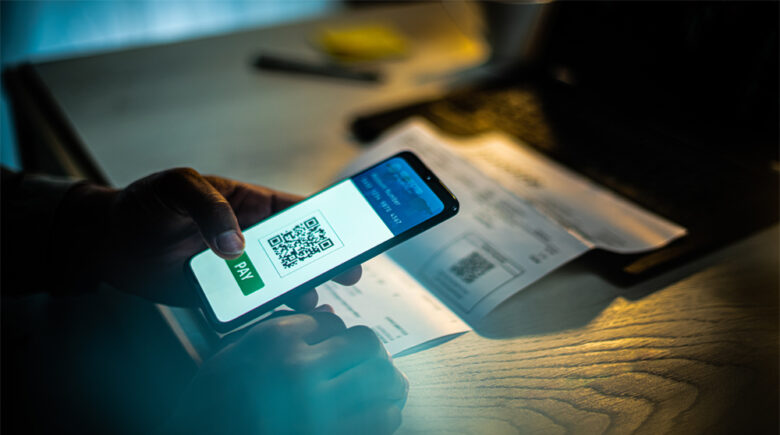
You open your bank account app on the 25th of the month and feel that familiar knot in your stomach. Three bills are due tomorrow, your rent is coming up in five days, and your checking balance looks painfully low. This scenario repeats itself month after month, turning what should be a routine financial task into a stress-inducing crisis.
You’re not alone in this struggle. According to a 2023 survey by the Federal Reserve, nearly 40% of Americans would struggle to cover a $400 emergency expense. The monthly bill payment cycle has become a source of anxiety for millions, but understanding why this happens—and how to break free—can transform your financial life.
Why Your Paycheck Disappears Before Month’s End
The disconnect between when you get paid and when bills come due creates immediate problems. Most employers issue paychecks bi-weekly or semi-monthly. However, your bills don’t follow this schedule. Your rent hits on the first, utilities around mid-month, and subscriptions scatter throughout the calendar. This misalignment forces you into a constant juggling act.
The situation worsens when unexpected expenses pop up. For example, your car needs new tires. Or your dentist finds a cavity. A friend’s wedding invitation arrives with a destination price tag. These unplanned costs throw your carefully balanced budget into chaos. You find yourself choosing which bills to pay first and which can wait—a dangerous game that often leads to late fees and damaged credit scores.
Many millennials also face the burden of student loan payments, which can consume 10-20% of monthly income. Combined with rising housing costs that now average 30-35% of take-home pay in major cities, the math simply doesn’t work for comfortable living. The Federal Reserve Bank of New York reports that millennials carry an average of $33,000 in student debt, adding another layer of complexity to monthly financial management.
The Lifestyle Inflation Problem
Something interesting happens as your income increases. Your spending rises to meet it. This phenomenon, called lifestyle inflation, sneaks up quietly. For example, you get a raise and suddenly that premium coffee subscription seems affordable. Or you upgrade your apartment. Or you add streaming services. Each decision feels small, but collectively they consume your income growth.
Digital payment systems make this worse. One-click purchasing removes the psychological barrier of handing over cash. Subscription services auto-renew without prompting conscious spending decisions. Before you realize it, you’re paying for services you barely use. A 2024 study by C+R Research found that Americans underestimate their monthly subscription spending by an average of $133.
Social media amplifies the pressure to maintain appearances. You see friends dining at trendy restaurants, traveling to exotic locations, and wearing the latest fashion. The fear of missing out drives spending decisions that don’t align with your financial reality. This creates a cycle where you’re constantly trying to keep up, even as your bank account warns you to slow down.
The Emergency Fund Gap
Most financial experts recommend maintaining three to six months of expenses in an emergency fund. Reality tells a different story. A 2023 Bankrate survey revealed that only 44% of Americans could cover a $1,000 emergency from savings. Without this buffer, any unexpected expense becomes a crisis that derails your entire budget.
The absence of emergency savings creates a domino effect. You turn to credit cards for unexpected expenses. Interest charges accumulate. Your minimum payments increase. Now you’re paying for past emergencies while trying to cover current bills. The cycle perpetuates itself, making it increasingly difficult to build the savings cushion you desperately need.
Many millennials inherited this financial fragility from entering the workforce during or after the 2008 recession. Years of underemployment, combined with rising costs for housing and education, left little room for building emergency reserves. The COVID-19 pandemic further stressed these already thin financial margins, wiping out what little savings many had managed to accumulate.
Breaking the Cycle: From Crisis to Control
Technology created some of your financial challenges, but it also offers solutions. Modern fintech apps provide unprecedented visibility into your spending patterns. Apps like Mint, YNAB (You Need A Budget), and PocketGuard connect to your accounts and automatically categorize transactions. This real-time tracking reveals exactly where your money goes.
Many banks now offer early direct deposit, giving you access to paychecks up to two days early. This might seem minor, but it can prevent overdraft fees when bills hit before your official payday. Some fintech companies like Chime and Current have built entire business models around this feature, recognizing the timing challenges many consumers face.
Automated savings tools use algorithms to analyze your income and expenses, then transfer small amounts to savings when you can afford it. Apps like Digit and Qapital make saving effortless by removing the need for willpower or conscious decision-making. These micro-savings accumulate faster than you’d expect, gradually building that crucial emergency buffer.
Strategic Bill Management
Restructuring when you pay bills can eliminate much of the monthly stress. Contact your service providers to adjust due dates. Most companies will accommodate requests to align bill cycles with your pay schedule. This simple step transforms bill paying from a monthly crisis into a manageable routine.
Consider consolidating payment dates. Having all bills due within a few days of receiving your paycheck simplifies budgeting. You handle all obligations at once, then know exactly what remains for other expenses. This approach eliminates the anxiety of wondering if you’ll have enough money as the month progresses.
Autopay prevents late fees but requires careful monitoring. Set up automatic payments only after you’ve aligned due dates with your income schedule. Keep a buffer in your checking account to prevent overdrafts. Review automated transactions monthly to catch any errors or unexpected charges before they cause problems.
Building Your Financial Foundation
Start small with emergency savings. Commit to saving just $25 per paycheck. This modest amount won’t strain your budget but will accumulate to $650 annually. As you adjust to this deduction, increase it gradually. The goal isn’t perfection—it’s progress toward financial stability.
Audit your subscriptions quarterly. List every recurring charge hitting your accounts. Cancel services you don’t actively use. The average American pays for 4-5 streaming services but regularly watches only 2-3. Eliminating unused subscriptions immediately frees up cash for savings or debt reduction.
Government resources can provide additional support during tight months. Programs like LIHEAP help with energy bills, while SNAP benefits can reduce food costs. Many states offer utility assistance programs that aren’t widely advertised. The Consumer Financial Protection Bureau maintains a comprehensive database of available resources at consumerfinance.gov.
Transforming bill payment from monthly crisis to routine task requires both mindset shifts and practical strategies. The combination of digital tools, strategic planning, and disciplined saving creates a foundation for financial stability. You won’t fix years of financial stress overnight, but each small improvement compounds over time. Start with one change—align a single bill with your payday, download a budgeting app, or set up a $25 automatic transfer to savings. That first step breaks the cycle of crisis and points you toward control. Your future self, opening that banking app on the 25th of the month without anxiety, will thank you for starting today.
References
- Board of Governors of the Federal Reserve System. (2023). “Report on the Economic Well-Being of U.S. Households.” Federal Reserve. https://www.federalreserve.gov/publications/2023-economic-well-being-of-us-households-in-2022-dealing-with-unexpected-expenses.htm
- Goldberg, M. (2024). “Americans Underestimate Monthly Subscription Costs by Over $130.” NerdWallet. https://www.nerdwallet.com/article/finance/subscription-spending-survey
- Huddleston, C. (2023). “Survey: 44% of Americans Couldn’t Cover a $1,000 Emergency.” Bankrate. https://www.bankrate.com/banking/savings/emergency-savings-report/
You open your bank account app on the 25th of the month and feel that familiar knot in your stomach. Three bills are due tomorrow, your rent is coming up in five days, and your checking balance looks painfully low. This scenario repeats itself month after month, turning what should be a routine financial task into a stress-inducing crisis.
You’re not alone in this struggle. According to a 2023 survey by the Federal Reserve, nearly 40% of Americans would struggle to cover a $400 emergency expense. The monthly bill payment cycle has become a source of anxiety for millions, but understanding why this happens—and how to break free—can transform your financial life.
Why Your Paycheck Disappears Before Month’s End
The disconnect between when you get paid and when bills come due creates immediate problems. Most employers issue paychecks bi-weekly or semi-monthly. However, your bills don’t follow this schedule. Your rent hits on the first, utilities around mid-month, and subscriptions scatter throughout the calendar. This misalignment forces you into a constant juggling act.
The situation worsens when unexpected expenses pop up. For example, your car needs new tires. Or your dentist finds a cavity. A friend’s wedding invitation arrives with a destination price tag. These unplanned costs throw your carefully balanced budget into chaos. You find yourself choosing which bills to pay first and which can wait—a dangerous game that often leads to late fees and damaged credit scores.
Many millennials also face the burden of student loan payments, which can consume 10-20% of monthly income. Combined with rising housing costs that now average 30-35% of take-home pay in major cities, the math simply doesn’t work for comfortable living. The Federal Reserve Bank of New York reports that millennials carry an average of $33,000 in student debt, adding another layer of complexity to monthly financial management.
The Lifestyle Inflation Problem
Something interesting happens as your income increases. Your spending rises to meet it. This phenomenon, called lifestyle inflation, sneaks up quietly. For example, you get a raise and suddenly that premium coffee subscription seems affordable. Or you upgrade your apartment. Or you add streaming services. Each decision feels small, but collectively they consume your income growth.
Digital payment systems make this worse. One-click purchasing removes the psychological barrier of handing over cash. Subscription services auto-renew without prompting conscious spending decisions. Before you realize it, you’re paying for services you barely use. A 2024 study by C+R Research found that Americans underestimate their monthly subscription spending by an average of $133.
Social media amplifies the pressure to maintain appearances. You see friends dining at trendy restaurants, traveling to exotic locations, and wearing the latest fashion. The fear of missing out drives spending decisions that don’t align with your financial reality. This creates a cycle where you’re constantly trying to keep up, even as your bank account warns you to slow down.
The Emergency Fund Gap
Most financial experts recommend maintaining three to six months of expenses in an emergency fund. Reality tells a different story. A 2023 Bankrate survey revealed that only 44% of Americans could cover a $1,000 emergency from savings. Without this buffer, any unexpected expense becomes a crisis that derails your entire budget.
The absence of emergency savings creates a domino effect. You turn to credit cards for unexpected expenses. Interest charges accumulate. Your minimum payments increase. Now you’re paying for past emergencies while trying to cover current bills. The cycle perpetuates itself, making it increasingly difficult to build the savings cushion you desperately need.
Many millennials inherited this financial fragility from entering the workforce during or after the 2008 recession. Years of underemployment, combined with rising costs for housing and education, left little room for building emergency reserves. The COVID-19 pandemic further stressed these already thin financial margins, wiping out what little savings many had managed to accumulate.
Breaking the Cycle: From Crisis to Control
Technology created some of your financial challenges, but it also offers solutions. Modern fintech apps provide unprecedented visibility into your spending patterns. Apps like Mint, YNAB (You Need A Budget), and PocketGuard connect to your accounts and automatically categorize transactions. This real-time tracking reveals exactly where your money goes.
Many banks now offer early direct deposit, giving you access to paychecks up to two days early. This might seem minor, but it can prevent overdraft fees when bills hit before your official payday. Some fintech companies like Chime and Current have built entire business models around this feature, recognizing the timing challenges many consumers face.
Automated savings tools use algorithms to analyze your income and expenses, then transfer small amounts to savings when you can afford it. Apps like Digit and Qapital make saving effortless by removing the need for willpower or conscious decision-making. These micro-savings accumulate faster than you’d expect, gradually building that crucial emergency buffer.
Strategic Bill Management
Restructuring when you pay bills can eliminate much of the monthly stress. Contact your service providers to adjust due dates. Most companies will accommodate requests to align bill cycles with your pay schedule. This simple step transforms bill paying from a monthly crisis into a manageable routine.
Consider consolidating payment dates. Having all bills due within a few days of receiving your paycheck simplifies budgeting. You handle all obligations at once, then know exactly what remains for other expenses. This approach eliminates the anxiety of wondering if you’ll have enough money as the month progresses.
Autopay prevents late fees but requires careful monitoring. Set up automatic payments only after you’ve aligned due dates with your income schedule. Keep a buffer in your checking account to prevent overdrafts. Review automated transactions monthly to catch any errors or unexpected charges before they cause problems.
Building Your Financial Foundation
Start small with emergency savings. Commit to saving just $25 per paycheck. This modest amount won’t strain your budget but will accumulate to $650 annually. As you adjust to this deduction, increase it gradually. The goal isn’t perfection—it’s progress toward financial stability.
Audit your subscriptions quarterly. List every recurring charge hitting your accounts. Cancel services you don’t actively use. The average American pays for 4-5 streaming services but regularly watches only 2-3. Eliminating unused subscriptions immediately frees up cash for savings or debt reduction.
Government resources can provide additional support during tight months. Programs like LIHEAP help with energy bills, while SNAP benefits can reduce food costs. Many states offer utility assistance programs that aren’t widely advertised. The Consumer Financial Protection Bureau maintains a comprehensive database of available resources at consumerfinance.gov.
Transforming bill payment from monthly crisis to routine task requires both mindset shifts and practical strategies. The combination of digital tools, strategic planning, and disciplined saving creates a foundation for financial stability. You won’t fix years of financial stress overnight, but each small improvement compounds over time. Start with one change—align a single bill with your payday, download a budgeting app, or set up a $25 automatic transfer to savings. That first step breaks the cycle of crisis and points you toward control. Your future self, opening that banking app on the 25th of the month without anxiety, will thank you for starting today.
References
- Board of Governors of the Federal Reserve System. (2023). “Report on the Economic Well-Being of U.S. Households.” Federal Reserve. https://www.federalreserve.gov/publications/2023-economic-well-being-of-us-households-in-2022-dealing-with-unexpected-expenses.htm
- Goldberg, M. (2024). “Americans Underestimate Monthly Subscription Costs by Over $130.” NerdWallet. https://www.nerdwallet.com/article/finance/subscription-spending-survey
- Huddleston, C. (2023). “Survey: 44% of Americans Couldn’t Cover a $1,000 Emergency.” Bankrate. https://www.bankrate.com/banking/savings/emergency-savings-report/






)