
We’ve all heard the refrain: “I’m just bad with money.” Maybe you’ve said it yourself after overdrawing your checking account or missing a credit card payment. Society loves to frame financial struggles as personal failures—a lack of discipline, poor choices, or simple irresponsibility.
But what if the real problem isn’t you? What if the systems we rely on to manage our money are fundamentally broken, designed in ways that make financial stability unnecessarily difficult? Understanding how systemic failures contribute to individual financial struggles can shift our perspective from self-blame to productive action.
The Myth of Personal Failure in Financial Struggles
American culture celebrates the self-made success story. We idolize people who “pulled themselves up by their bootstraps.” This narrative sounds inspiring, but it creates a dangerous assumption: anyone who struggles financially must be doing something wrong. The reality is far more complex. Wages have stagnated for decades while housing costs, healthcare expenses, and education prices have skyrocketed.
According to research from the Pew Research Center, millennials earn 20% less than baby boomers did at the same stage of life, adjusted for inflation. No amount of personal responsibility can compensate for systemic economic shifts that have fundamentally altered the financial landscape.
Financial Literacy Doesn’t Address Root Causes
Financial education programs often focus on teaching budgeting skills and investment basics. These tools matter, but they don’t address the underlying problems. You can understand compound interest perfectly and still struggle when your rent consumes 50% of your income. You can create a meticulous budget and still face financial crisis when an unexpected medical bill arrives. Financial literacy assumes people fail because they lack knowledge. In reality, many people struggle because they lack resources, not information. The system treats financial instability as an education problem when it’s actually an access and equity problem.
The Hidden Costs of Being Poor
Perhaps the most insidious aspect of our financial system is how expensive it is to be poor. Banking fees disproportionately affect low-income consumers. Overdraft fees can reach $35 per transaction. Check-cashing services charge exorbitant rates to people without bank accounts. Payday lenders trap desperate borrowers in cycles of high-interest debt. These aren’t personal failures—they’re predatory practices that extract wealth from vulnerable populations. The Consumer Financial Protection Bureau found that just 9% of account holders paid 84% of all overdraft fees in 2017. The system punishes people for having limited resources rather than helping them build financial stability.
How Broken Systems Set Us Up to Fail With Money
Modern banking should make managing money easier. Instead, it often creates confusion and costly mistakes. Banks process transactions in orders that maximize overdraft fees rather than help customers avoid them. Mobile apps may show available balances that don’t reflect pending transactions. Payment processing times vary unpredictably, making it difficult to know when money will actually leave your account. These aren’t bugs—they’re features that generate billions in revenue for financial institutions. A 2021 report found that banks collected approximately $8.8 billion in overdraft fees, down from previous years but still representing a massive transfer of wealth from struggling customers to profitable corporations.
Government Services Remain Stuck in the Analog Age
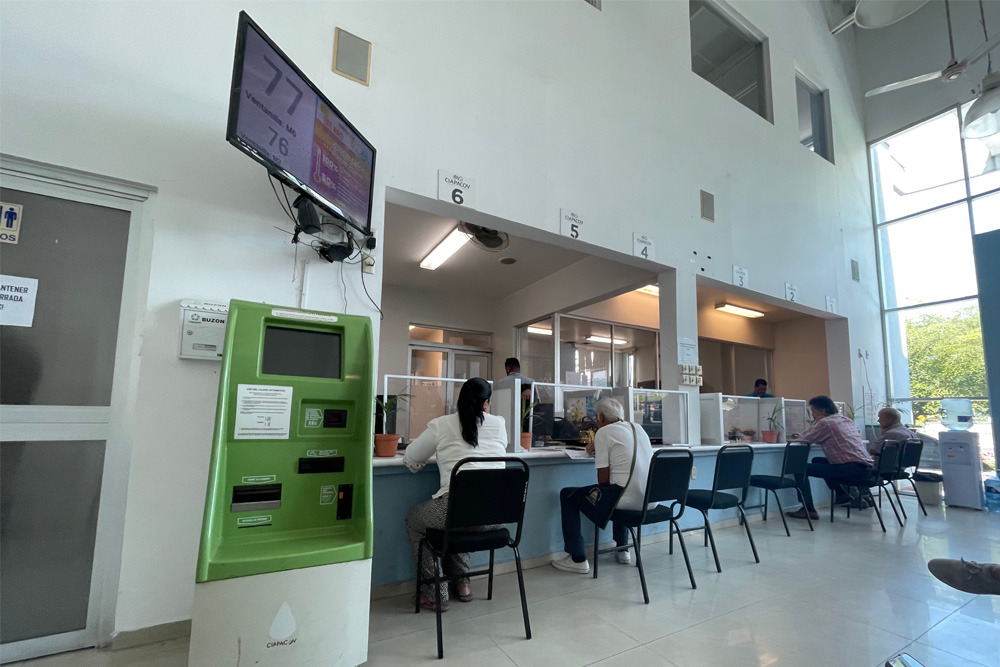
While fintech companies create sleek apps for investment and spending, essential government services remain frustratingly outdated. Filing taxes requires navigating complex forms and confusing instructions. Applying for benefits often means printing documents, visiting physical offices, and waiting weeks for responses. These friction points aren’t neutral—they create barriers that prevent people from accessing support they’re entitled to receive. The digital divide compounds these problems. Not everyone has reliable internet access or the technical skills to navigate clunky government websites. When systems don’t work for everyone, we can’t blame individuals for falling through the cracks.
Regulatory Gaps Enable Predatory Practices
Financial regulations often lag behind industry innovation. This creates spaces where predatory practices flourish. Buy-now-pay-later services have exploded in popularity, offering what looks like interest-free financing. But these products can encourage overspending and lack the consumer protections that govern traditional credit. Cryptocurrency platforms promise financial freedom but operate with minimal oversight, leaving consumers vulnerable to fraud and manipulation. App-based investing platforms gamify stock trading, using psychological tricks borrowed from casino design. These aren’t personal failures of judgment—they’re deliberately engineered systems designed to extract maximum value from users.
The Gig Economy Complicates Financial Management
The rise of gig work has fundamentally changed how many people earn money. Nearly 36% of U.S. workers participate in the gig economy through primary or secondary jobs. Traditional financial systems weren’t built for irregular income streams. Budgeting becomes exponentially harder when you don’t know how much you’ll earn next month. Accessing credit gets more difficult without traditional employment verification. Tax obligations become more complex when you’re technically self-employed. The financial infrastructure assumes stable, predictable employment that increasingly doesn’t exist. People aren’t bad at managing money—they’re trying to use tools designed for a different economic reality.
Data Privacy Concerns Limit Financial Innovation
The integration of fintech solutions promises to make money management easier and more accessible. But legitimate privacy concerns create barriers to adoption. Linking bank accounts to third-party apps requires sharing sensitive information. Data breaches expose financial information to criminals. Companies collect and monetize user data in ways that aren’t always transparent. Regulatory frameworks like the California Consumer Privacy Act attempt to protect consumers, but they also create compliance complexity that can slow innovation. The tension between convenience and security leaves consumers stuck choosing between outdated systems and potentially risky alternatives.
The Path Forward Requires Systemic Solutions
Recognizing that financial struggles stem from broken systems doesn’t mean individuals have no agency. Personal strategies still matter. But real progress requires systemic change. Banks need stronger regulations that prioritize consumer welfare over fee generation. Government services need genuine digital transformation that centers user experience. Financial products need transparency requirements that make true costs clear upfront. Labor policies need to address the realities of gig work and irregular income. These changes won’t happen automatically—they require collective action, policy advocacy, and sustained pressure on institutions that benefit from the status quo.
Being “bad with money” is rarely just a personal failing. It’s often the predictable result of systems designed without your best interests in mind. From predatory fees to outdated government services, from gig economy instability to complex financial products, the deck is stacked against ordinary people trying to build financial security. Recognizing this reality isn’t about making excuses—it’s about directing our energy toward productive solutions. Personal strategies matter, but they’re not enough. We need systemic change that makes financial stability accessible to everyone, not just those with resources to navigate broken systems. The next time you catch yourself thinking “I’m just bad with money,” consider whether the real problem might be the system itself.
References
- Pew Research Center. “Millennials and Their Money: Financially Cautious and Optimistic.” https://www.pewresearch.org/
- Consumer Financial Protection Bureau. “CFPB Data Point: Frequent Overdrafters.” https://www.consumerfinance.gov/
- NerdWallet. “Banking Fees Survey: Americans Paid $8.8 Billion in Overdraft Fees in 2021.” https://www.nerdwallet.com/
We’ve all heard the refrain: “I’m just bad with money.” Maybe you’ve said it yourself after overdrawing your checking account or missing a credit card payment. Society loves to frame financial struggles as personal failures—a lack of discipline, poor choices, or simple irresponsibility.
But what if the real problem isn’t you? What if the systems we rely on to manage our money are fundamentally broken, designed in ways that make financial stability unnecessarily difficult? Understanding how systemic failures contribute to individual financial struggles can shift our perspective from self-blame to productive action.
The Myth of Personal Failure in Financial Struggles
American culture celebrates the self-made success story. We idolize people who “pulled themselves up by their bootstraps.” This narrative sounds inspiring, but it creates a dangerous assumption: anyone who struggles financially must be doing something wrong. The reality is far more complex. Wages have stagnated for decades while housing costs, healthcare expenses, and education prices have skyrocketed.
According to research from the Pew Research Center, millennials earn 20% less than baby boomers did at the same stage of life, adjusted for inflation. No amount of personal responsibility can compensate for systemic economic shifts that have fundamentally altered the financial landscape.
Financial Literacy Doesn’t Address Root Causes
Financial education programs often focus on teaching budgeting skills and investment basics. These tools matter, but they don’t address the underlying problems. You can understand compound interest perfectly and still struggle when your rent consumes 50% of your income. You can create a meticulous budget and still face financial crisis when an unexpected medical bill arrives. Financial literacy assumes people fail because they lack knowledge. In reality, many people struggle because they lack resources, not information. The system treats financial instability as an education problem when it’s actually an access and equity problem.
The Hidden Costs of Being Poor
Perhaps the most insidious aspect of our financial system is how expensive it is to be poor. Banking fees disproportionately affect low-income consumers. Overdraft fees can reach $35 per transaction. Check-cashing services charge exorbitant rates to people without bank accounts. Payday lenders trap desperate borrowers in cycles of high-interest debt. These aren’t personal failures—they’re predatory practices that extract wealth from vulnerable populations. The Consumer Financial Protection Bureau found that just 9% of account holders paid 84% of all overdraft fees in 2017. The system punishes people for having limited resources rather than helping them build financial stability.
How Broken Systems Set Us Up to Fail With Money
Modern banking should make managing money easier. Instead, it often creates confusion and costly mistakes. Banks process transactions in orders that maximize overdraft fees rather than help customers avoid them. Mobile apps may show available balances that don’t reflect pending transactions. Payment processing times vary unpredictably, making it difficult to know when money will actually leave your account. These aren’t bugs—they’re features that generate billions in revenue for financial institutions. A 2021 report found that banks collected approximately $8.8 billion in overdraft fees, down from previous years but still representing a massive transfer of wealth from struggling customers to profitable corporations.
Government Services Remain Stuck in the Analog Age
While fintech companies create sleek apps for investment and spending, essential government services remain frustratingly outdated. Filing taxes requires navigating complex forms and confusing instructions. Applying for benefits often means printing documents, visiting physical offices, and waiting weeks for responses. These friction points aren’t neutral—they create barriers that prevent people from accessing support they’re entitled to receive. The digital divide compounds these problems. Not everyone has reliable internet access or the technical skills to navigate clunky government websites. When systems don’t work for everyone, we can’t blame individuals for falling through the cracks.
Regulatory Gaps Enable Predatory Practices
Financial regulations often lag behind industry innovation. This creates spaces where predatory practices flourish. Buy-now-pay-later services have exploded in popularity, offering what looks like interest-free financing. But these products can encourage overspending and lack the consumer protections that govern traditional credit. Cryptocurrency platforms promise financial freedom but operate with minimal oversight, leaving consumers vulnerable to fraud and manipulation. App-based investing platforms gamify stock trading, using psychological tricks borrowed from casino design. These aren’t personal failures of judgment—they’re deliberately engineered systems designed to extract maximum value from users.
The Gig Economy Complicates Financial Management
The rise of gig work has fundamentally changed how many people earn money. Nearly 36% of U.S. workers participate in the gig economy through primary or secondary jobs. Traditional financial systems weren’t built for irregular income streams. Budgeting becomes exponentially harder when you don’t know how much you’ll earn next month. Accessing credit gets more difficult without traditional employment verification. Tax obligations become more complex when you’re technically self-employed. The financial infrastructure assumes stable, predictable employment that increasingly doesn’t exist. People aren’t bad at managing money—they’re trying to use tools designed for a different economic reality.
Data Privacy Concerns Limit Financial Innovation
The integration of fintech solutions promises to make money management easier and more accessible. But legitimate privacy concerns create barriers to adoption. Linking bank accounts to third-party apps requires sharing sensitive information. Data breaches expose financial information to criminals. Companies collect and monetize user data in ways that aren’t always transparent. Regulatory frameworks like the California Consumer Privacy Act attempt to protect consumers, but they also create compliance complexity that can slow innovation. The tension between convenience and security leaves consumers stuck choosing between outdated systems and potentially risky alternatives.
The Path Forward Requires Systemic Solutions
Recognizing that financial struggles stem from broken systems doesn’t mean individuals have no agency. Personal strategies still matter. But real progress requires systemic change. Banks need stronger regulations that prioritize consumer welfare over fee generation. Government services need genuine digital transformation that centers user experience. Financial products need transparency requirements that make true costs clear upfront. Labor policies need to address the realities of gig work and irregular income. These changes won’t happen automatically—they require collective action, policy advocacy, and sustained pressure on institutions that benefit from the status quo.
Being “bad with money” is rarely just a personal failing. It’s often the predictable result of systems designed without your best interests in mind. From predatory fees to outdated government services, from gig economy instability to complex financial products, the deck is stacked against ordinary people trying to build financial security. Recognizing this reality isn’t about making excuses—it’s about directing our energy toward productive solutions. Personal strategies matter, but they’re not enough. We need systemic change that makes financial stability accessible to everyone, not just those with resources to navigate broken systems. The next time you catch yourself thinking “I’m just bad with money,” consider whether the real problem might be the system itself.
References
- Pew Research Center. “Millennials and Their Money: Financially Cautious and Optimistic.” https://www.pewresearch.org/
- Consumer Financial Protection Bureau. “CFPB Data Point: Frequent Overdrafters.” https://www.consumerfinance.gov/
- NerdWallet. “Banking Fees Survey: Americans Paid $8.8 Billion in Overdraft Fees in 2021.” https://www.nerdwallet.com/






)