Fact-checked by the VisualeNews editorial team
Quick Answer
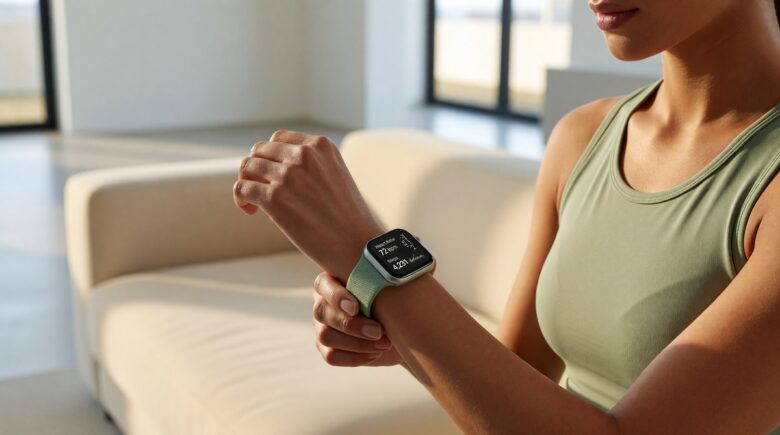
Wearable technology health tracking uses sensors embedded in devices like smartwatches and fitness bands to continuously monitor biometrics such as heart rate, sleep, and blood oxygen. As of July 2025, the global wearable health market is valued at over $95 billion, with more than 1 in 5 Americans wearing a health-tracking device daily. These tools are reshaping preventive care and personal health decisions in real time.
Wearable technology health tracking refers to the use of body-worn electronic devices to collect, analyze, and report personal health data continuously. The global market for wearable health devices reached $95.1 billion in 2024 and is projected to grow at a compound annual rate of 14.6% through 2030, according to Grand View Research’s wearable technology market analysis. This growth reflects a fundamental shift in how individuals manage their health — away from reactive clinic visits and toward continuous, data-driven self-monitoring.
That shift carries real financial and personal consequences. Devices from Apple, Fitbit, Garmin, and Samsung now track dozens of physiological signals, helping users identify health risks before symptoms appear. This guide covers how these devices work, what they accurately measure, how much they cost, and how to evaluate whether the investment is worth it for your health and budget.
Key Takeaways
- The global wearable health market exceeded $95 billion in 2024, growing at 14.6% annually (Grand View Research).
- More than 21% of U.S. adults wear a fitness or health tracker every day, up from just 12% in 2019 (Pew Research Center).
- Wearable devices that monitor atrial fibrillation have demonstrated over 97% sensitivity in clinical validation studies (New England Journal of Medicine).
- Continuous glucose monitors (CGMs) used by non-diabetic consumers can cost $100–$300 per month without insurance coverage (Healthline).
- Employers who integrated wearable wellness programs reported healthcare cost reductions of up to 30% over three years (RAND Corporation wellness research).
In This Guide
- How Does Wearable Technology Health Tracking Actually Work?
- What Can Modern Wearables Accurately Measure?
- How Do the Top Wearable Health Devices Compare?
- What Is the Real Financial Impact of Wearable Health Tech?
- What Are the Privacy Risks of Wearable Health Data?
- How Clinically Credible Are Consumer Wearables?
- How Do You Choose the Right Wearable Health Tracker?
How Does Wearable Technology Health Tracking Actually Work?
Wearables collect health data using embedded sensors that interact with the human body continuously and non-invasively. The core technology relies on photoplethysmography (PPG), which uses LED light to detect blood volume changes beneath the skin, enabling heart rate and SpO2 measurement. Additional sensors — including accelerometers, gyroscopes, and electrodermal activity sensors — layer in movement, sleep, and stress data.
Key Sensor Technologies Inside Wearables
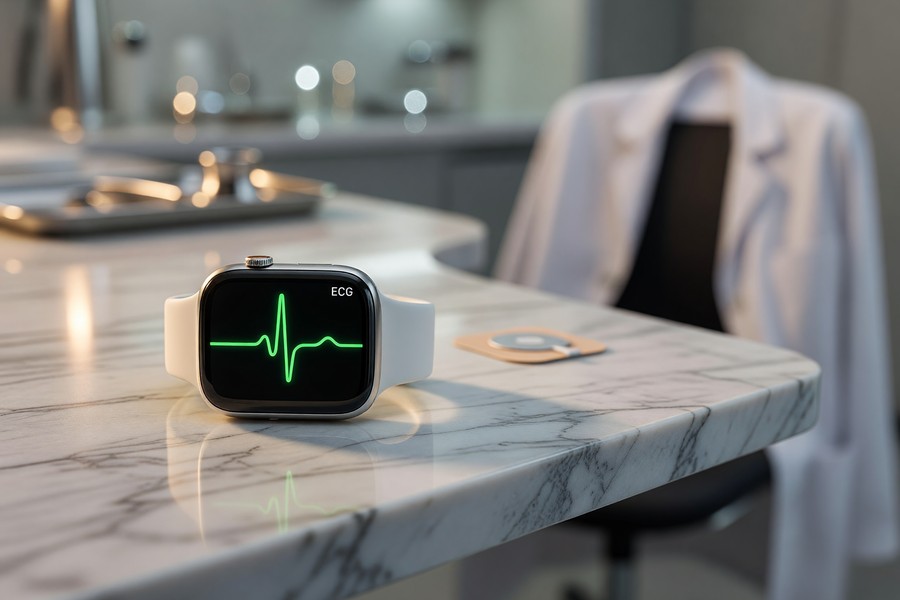
Most fitness bands and smartwatches combine at least three sensor types simultaneously. Apple Watch Series 9, for example, uses a four-cluster LED array alongside an electrical heart rate sensor for ECG readings. Garmin devices use optical sensors for 24/7 heart rate tracking and add pulse oximetry for overnight blood oxygen monitoring.
The data captured by these sensors is processed on-device using machine learning algorithms, then synced to companion apps like Apple Health, Google Fit, or Garmin Connect. These platforms aggregate readings over time, identifying trends that a single doctor’s visit would miss.
The first consumer fitness wristband — the Fitbit Classic — launched in 2009 with only a pedometer and sleep tracking. Today’s equivalent devices monitor over 20 distinct health metrics in real time.
What Can Modern Wearables Accurately Measure?
Modern wearables can accurately measure heart rate, sleep stages, blood oxygen saturation, skin temperature, and irregular heart rhythms — though accuracy varies significantly by metric and device. Heart rate monitoring is now highly reliable at rest, with leading devices achieving accuracy within 2–5 beats per minute compared to clinical electrocardiograms, according to research published in NPJ Digital Medicine. Accuracy during high-intensity exercise remains more variable across brands.
Metrics With Strong Clinical Backing
Atrial fibrillation (AFib) detection is one of the most clinically validated wearable features. The Apple Heart Study, conducted with Stanford Medicine, enrolled over 400,000 participants and demonstrated that the Apple Watch’s irregular rhythm notification had a 71% positive predictive value for confirmed AFib. This is a meaningful number in preventive cardiology.
Sleep tracking has also improved substantially. Devices using both motion and heart rate variability data can distinguish between REM, light, and deep sleep stages with increasing reliability. The Oura Ring, in particular, has been validated in several peer-reviewed studies for sleep stage accuracy comparable to polysomnography in controlled conditions.
Metrics That Remain Approximate
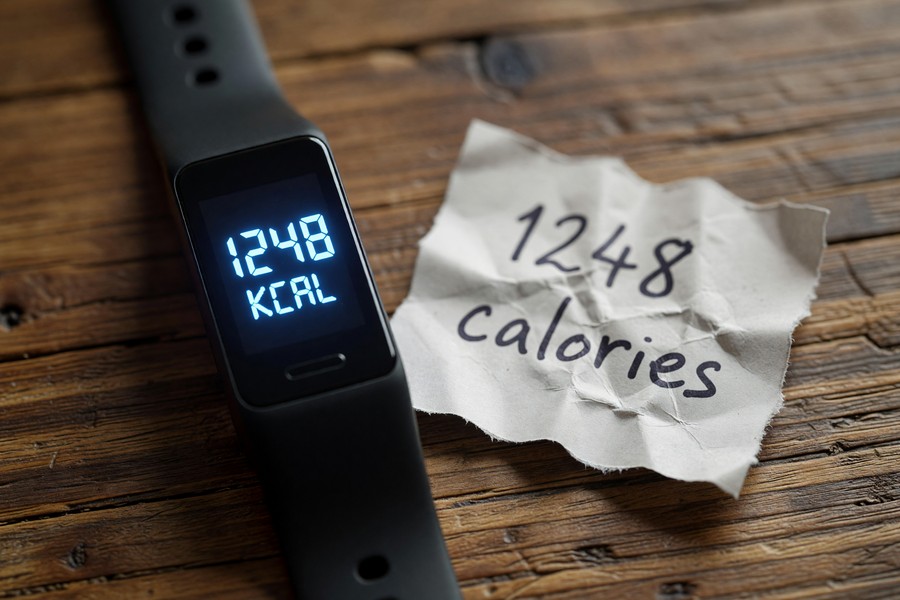
Calorie burn estimates from wearables are notoriously imprecise. A Stanford University study published in JAMA Internal Medicine found that seven popular fitness trackers had calorie measurement errors ranging from 27% to 93%. Users relying on calorie data for weight management decisions should treat these figures as directional, not precise.
How Do the Top Wearable Health Devices Compare?
The right wearable depends on your primary health goals, ecosystem preference, and budget. Apple, Garmin, Fitbit (owned by Google), Samsung, and Oura lead the consumer health tracking market, each with distinct strengths.
| Device | Price (USD) | Key Health Features | Battery Life | Best For |
|---|---|---|---|---|
| Apple Watch Series 10 | $399–$499 | ECG, AFib detection, crash detection, sleep apnea alerts | 18 hours | iPhone users, cardiac monitoring |
| Garmin Fenix 8 | $799–$999 | VO2 max, HRV, pulse ox, body battery | 16 days | Athletes, endurance sports |
| Fitbit Charge 6 | $159 | Heart rate zones, stress score, sleep tracking | 7 days | Budget-conscious beginners |
| Samsung Galaxy Watch 7 | $299 | BioActive sensor, body composition, ECG | 40 hours | Android users, body composition |
| Oura Ring Gen 4 | $349 + $5.99/mo | Sleep staging, readiness score, cycle tracking | 7 days | Sleep optimization, discrete wear |
Note that ongoing subscription costs can add meaningfully to total cost of ownership. Oura’s membership model, for example, adds $71.88 per year beyond the hardware price. This is worth factoring into your budget alongside the device itself — just as you would with digital subscriptions that quietly drain your monthly budget.
What Is the Real Financial Impact of Wearable Health Tech?
Wearable technology health tracking carries both upfront hardware costs and significant potential long-term savings through preventive health outcomes. The financial calculus depends on whether you already have, or are at risk of, a chronic condition.
Employer Wellness Programs and Insurance Incentives
Many large employers now subsidize wearable devices through corporate wellness programs. According to RAND Corporation’s analysis of workplace wellness initiatives, organizations integrating wearables into health programs saw healthcare cost reductions of up to 30% over three years. Some insurers — including John Hancock, Vitality, and UnitedHealthcare Motion — offer premium discounts or cash rewards to members who hit daily step or heart rate zone targets.
These incentive programs can effectively pay for a device over 12 to 18 months. If your employer or insurer offers such a program, it changes the financial equation substantially. Understanding these benefits is part of broader financial planning — the same discipline covered in our guide on managing money in real life.
The average American spends $150–$400 per year on wearable health hardware. Early detection of a single hospitalization-preventing event — such as an AFib episode — can save between $15,000 and $30,000 in emergency and treatment costs, according to the American Heart Association.
The Hidden Cost of Continuous Glucose Monitors
CGMs like the Dexcom Stelo and Abbott Libre Sense are now marketed to non-diabetic consumers interested in metabolic health. Without a diabetes diagnosis, these devices are rarely covered by insurance. Monthly costs range from $100 to $300, making them among the most expensive consumer health subscriptions available.
Before committing to a CGM subscription, evaluate it alongside other recurring health and wellness costs. The same structured thinking behind sinking funds for irregular expenses can help you plan for fluctuating device and subscription costs.
“Consumer wearables have crossed a threshold from novelty to genuine clinical utility. The data density they generate — continuous, longitudinal, and contextual — is something a clinic visit every six months simply cannot replicate.”
What Are the Privacy Risks of Wearable Health Data?
Wearable health data is sensitive personal information that exists largely outside the protections of HIPAA. Unlike data held by hospitals or physicians, health data collected by consumer wearables is governed primarily by each company’s privacy policy — not federal health privacy law.
What HIPAA Does and Does Not Cover
The Health Insurance Portability and Accountability Act (HIPAA) applies to covered entities — healthcare providers, health plans, and their business associates. Apple, Fitbit, and Garmin are not HIPAA-covered entities when acting as consumer product companies. This means your resting heart rate, sleep data, and menstrual cycle information can potentially be shared with third parties under their terms of service.
The Federal Trade Commission (FTC) has increased scrutiny of health data practices. In 2023, the FTC took action against digital health company BetterHelp for sharing user data with advertisers — a precedent that applies pressure to wearable data ecosystems. Understanding your digital identity and how to protect it is increasingly relevant when using health-tracking platforms.
Steps to Minimize Wearable Data Exposure
- Review and limit third-party app permissions within companion health apps.
- Disable data sharing with research partners unless you have explicitly opted in with full understanding.
- Choose devices with on-device processing (Apple) over those with cloud-first architectures where possible.
- Read the data deletion policy before purchasing — some platforms retain biometric data even after account deletion.
In 2022, the consumer app Strava revealed the locations of secret military bases through its public fitness heatmap — compiled from users’ GPS-tracked runs. Wearable data, even when anonymized, can expose sensitive patterns at scale.
How Clinically Credible Are Consumer Wearables?
Consumer wearables vary significantly in clinical credibility — some features carry FDA clearance while others are wellness indicators with no regulatory backing. Understanding the difference is critical before relying on device data for health decisions.
FDA-Cleared Features vs. Wellness Features
The U.S. Food and Drug Administration (FDA) has cleared specific features on select devices as medical-grade tools. Apple Watch received FDA clearance for its ECG app in 2018 and for atrial fibrillation history detection in 2022. The Dexcom Stelo CGM received FDA clearance in March 2024 as the first over-the-counter CGM for adults without insulin use.
By contrast, features like “stress scores,” “readiness scores,” and “body battery” indicators are proprietary wellness algorithms. They are not cleared by the FDA and should not be used to make medical decisions. These metrics can be valuable behavioral motivators, but they carry no clinical authority.
“The distinction between an FDA-cleared medical feature and a wellness feature on the same device is not always communicated clearly to consumers. Patients sometimes come to us citing their watch data as a diagnosis. That’s a dangerous misapplication.”
How Do You Choose the Right Wearable Health Tracker for Your Needs?
Choosing the right wearable for wearable technology health tracking starts with identifying your primary health objective — not the device with the longest feature list. Match the tool to the problem.
Decision Framework by Health Goal
- Cardiac health monitoring: Apple Watch Series 10 or Samsung Galaxy Watch 7 for FDA-cleared ECG and AFib detection.
- Athletic performance optimization: Garmin Fenix or Forerunner series for VO2 max, training load, and recovery metrics.
- Sleep improvement: Oura Ring Gen 4 or Withings ScanWatch for detailed sleep staging and readiness scoring.
- Metabolic health: Dexcom Stelo or Abbott Libre Sense for continuous glucose visibility.
- Entry-level fitness tracking: Fitbit Charge 6 for accessible step, heart rate, and stress tracking at $159.
Total Cost of Ownership Matters
Hardware price is only part of the equation. Factor in subscription costs, replacement band costs, and smartphone ecosystem requirements before purchasing. Some devices — like Samsung Galaxy Watch — function with reduced capability when paired with an iPhone. Others, like Apple Watch, are entirely dependent on an iPhone.
Treat a wearable device as a recurring health expense, not a one-time purchase. Budgeting for it the same way you would any other planned expense — using strategies like those in sinking fund planning — makes the cost more manageable over time. For context on how tech tools are reshaping financial behavior more broadly, see our analysis of how AI-powered budgeting apps are changing personal finance.
Frequently Asked Questions
Is wearable technology health tracking accurate enough to replace doctor visits?
No — wearables supplement clinical care but do not replace it. FDA-cleared features like ECG and AFib detection carry clinical value, but no consumer device can diagnose conditions. Use wearable data to inform conversations with your physician, not to replace them.
Which wearable is best for heart health monitoring?
Apple Watch Series 10 is the most clinically validated option for heart health, with FDA-cleared ECG, AFib detection, and sleep apnea alerts. Samsung Galaxy Watch 7 is a strong alternative for Android users, with its BioActive sensor offering similar cardiac monitoring capabilities.
Does health insurance cover wearable devices?
Most standard health insurance plans do not cover consumer wearables. However, some insurers — including John Hancock Vitality and UnitedHealthcare Motion — offer premium discounts or reimbursements to members who use approved devices and meet activity targets. Check your specific plan’s wellness benefit documents.
How does wearable technology health tracking help with weight management?
Wearables support weight management by tracking activity levels, heart rate zones, and sleep quality — all factors that influence metabolism and caloric expenditure. However, calorie burn estimates from wearables can have errors of 27–93%, so they should guide behavior rather than drive precise dietary calculations.
Are wearable health trackers safe for people with pacemakers?
Some wearable features — particularly ECG sensors and certain magnetic charging systems — can potentially interfere with implantable cardiac devices like pacemakers and ICDs. The FDA recommends that patients with implantable cardiac devices consult their cardiologist before using ECG-enabled wearables. Apple and Garmin both note this in their device documentation.
What happens to my health data if I cancel my subscription?
This varies by platform. Oura Ring, for example, restricts access to detailed insights if you cancel the $5.99/month membership, though you retain raw data access. Fitbit’s Google ecosystem retains data by default unless you explicitly delete your account. Always review the company’s data retention policy before purchasing.
Can wearables detect sleep apnea?
Yes — Apple Watch Series 10 received FDA clearance in 2024 specifically for sleep apnea detection, making it the first consumer wearable with this regulatory authorization. Other devices estimate sleep apnea risk through oxygen saturation and breathing rate patterns, but lack FDA clearance for this specific use.
Sources
- Grand View Research — Wearable Technology Market Size & Forecast
- Pew Research Center — About One-in-Five Americans Use a Smart Watch or Fitness Tracker
- New England Journal of Medicine — Apple Heart Study: Large-Scale Assessment of Wearable Devices for AFib Detection
- NPJ Digital Medicine — Accuracy of Wrist-Worn Heart Rate Monitors
- RAND Corporation — Workplace Wellness Programs Study
- Healthline — Continuous Glucose Monitors: Costs, Types, and How They Work
- U.S. Food and Drug Administration — Digital Health Center of Excellence: Wearables
- Federal Trade Commission — Health Apps and Mobile Connected Devices: Privacy Guidance
- JAMA Internal Medicine — Accuracy of Smartphone Applications and Wearable Devices for Tracking Physical Activity
- American Heart Association — Costs and Burden of Atrial Fibrillation