Fact-checked by the VisualEnews editorial team
Quick Answer
The best cinemagraph app mobile options in July 2025 include Werble, Plotagraph Pro, Lumyer, and Flixel’s Cinemagraph Pro. These apps let you isolate motion in a single photo and loop it seamlessly. Flixel’s platform hosts over 2 million cinemagraphs created by users worldwide, making it the largest dedicated community for this format.
A cinemagraph app mobile is a tool that animates one isolated region of a still photograph into a seamless, infinite loop — leaving the rest of the image frozen. Unlike GIFs or video clips, cinemagraphs combine photographic stillness with subtle motion, creating a format that earns up to 5 times higher engagement than standard video ads according to Forbes analysis of marketing performance data.
Smartphone cameras and AI-assisted masking tools have made this technique accessible to anyone in 2025 — no DSLR or desktop software required. This guide covers the top apps, how they compare, what each costs, and how to choose the right one for your workflow.
Key Takeaways
- Flixel Cinemagraph Pro has hosted over 2 million cinemagraphs since launch, making it the most established dedicated platform (Flixel).
- Cinemagraphs generate 5x higher click-through rates than static images in digital advertising, according to Forbes Communications Council data.
- Werble offers over 100 animated overlays and effects for photo animation on iOS, with a freemium pricing model starting at $0 (Apple App Store).
- The global GIF and cinemagraph content market is projected to grow at a CAGR of 8.2% through 2028, driven by social media demand (Grand View Research).
- Plotagraph Pro allows frame-by-frame motion path control and exports at up to 1080p resolution, available on both iOS and Android (Plotagraph).
In This Guide
- What Exactly Is a Cinemagraph and How Does It Differ From a GIF?
- Which Cinemagraph App Mobile Options Are Best in 2025?
- How Do the Top Cinemagraph Apps Compare on Features and Price?
- How Do You Create a Cinemagraph on a Smartphone?
- Where Are Cinemagraphs Most Effectively Used?
- Should You Use a Free or Paid Cinemagraph App?
- Frequently Asked Questions
What Exactly Is a Cinemagraph and How Does It Differ From a GIF?
A cinemagraph is a hybrid visual format — part photograph, part video — in which only a selected portion of the image moves in a continuous, seamless loop. The rest of the frame remains completely still, which is what distinguishes it from a GIF or short video clip.
GIFs animate an entire frame repeatedly and typically look pixelated at high resolution. Cinemagraphs, by contrast, use masking to isolate motion (such as steam rising from a cup or waves lapping a shore) while preserving photographic quality in the static areas. The technique was pioneered by photographers Kevin Burg and Jamie Beck in 2011, who coined the term “cinemagraph” to describe their work for New York Fashion Week.
Why the Cinemagraph Format Has Gained Momentum
The rise of social platforms like Instagram, TikTok, and LinkedIn has driven demand for scroll-stopping visuals that perform better than static images. Cinemagraphs loop indefinitely without audio, making them ideal for autoplay environments where video sound is muted by default.
Brands including Lexus, Coca-Cola, and L’Oreal have used cinemagraphs in paid digital campaigns. According to WordStream’s advertising research, cinemagraph ads consistently outperform conventional video in time-on-page metrics. As mobile cameras have improved, creating this format directly on a smartphone has become realistic for non-professionals.
The word “cinemagraph” was trademarked by Kevin Burg and Jamie Beck in 2011. Their original work was published on Tumblr and went viral within days, reaching millions of views before most people had a name for the format.
Which Cinemagraph App Mobile Options Are Best in 2025?
The best cinemagraph app mobile tools available today are Flixel Cinemagraph Pro, Werble, Plotagraph Pro, Lumyer, and StoryZ. Each serves a slightly different use case, from casual social media content to professional marketing assets.
Flixel Cinemagraph Pro
Flixel Cinemagraph Pro (iOS only) is the most purpose-built cinemagraph app available on mobile. It allows users to shoot footage directly in-app or import existing video, then mask still areas using a brush tool. Exports include MP4, GIF, and Live Photo formats. Flixel also offers a cloud community where creators can publish and browse cinemagraphs, with over 2 million works uploaded to the Flixel platform.
Werble — Photo Animator
Werble (iOS) takes a layer-based approach, letting users apply animated overlays — rain, fire, light leaks, smoke — to still photos. It is not strictly a masking tool but produces cinemagraph-style output quickly. With over 100 effects and overlays, it is popular among Instagram creators and small business marketers. A basic version is free; the premium unlock costs $4.99 per month.
Plotagraph Pro
Plotagraph Pro (iOS and Android) uses AI-assisted motion paths rather than video capture. Users place animated direction arrows on a still image, and the app generates fluid motion between anchor points. This means you can create a cinemagraph from a single JPEG or PNG — no video recording needed. Exports reach up to 1080p resolution, suitable for professional use.
Lumyer
Lumyer (iOS and Android) is an augmented reality-style photo animator focused on adding motion effects to portraits and scenes. It integrates directly with camera rolls and social sharing flows. The app is free to download, with individual effect packs available via in-app purchase, typically priced between $0.99 and $2.99 per pack.
StoryZ Photo Motion
StoryZ (iOS and Android) combines motion painting with looping export. It is designed specifically for social media Stories on Instagram and Facebook, exporting in vertical formats optimized for those platforms. The app includes AI-powered sky replacement and water motion effects.

How Do the Top Cinemagraph Apps Compare on Features and Price?
Choosing the right cinemagraph app mobile tool depends on your platform (iOS vs. Android), your source material (photo vs. video), and your budget. The table below provides a direct comparison across the five leading options.
| App | Platform | Input Type | Max Export Resolution | Free Tier | Paid Price |
|---|---|---|---|---|---|
| Flixel Cinemagraph Pro | iOS only | Video or camera | 4K (Pro plan) | Limited (3 exports) | $7.99/month |
| Werble | iOS only | Photo | 1080p | Yes (watermarked) | $4.99/month |
| Plotagraph Pro | iOS and Android | Photo (JPEG/PNG) | 1080p | Yes (3 exports) | $9.99/month |
| Lumyer | iOS and Android | Photo or live camera | 1080p | Yes (limited effects) | $0.99–$2.99/pack |
| StoryZ | iOS and Android | Photo | 1080p vertical | Yes (watermarked) | $3.99/month |
Flixel Cinemagraph Pro’s paid tier starts at $7.99 per month and unlocks 4K exports, unlimited saves, and the full Flixel community publishing suite — the most complete mobile cinemagraph workflow available on iOS in 2025.
How Do You Create a Cinemagraph on a Smartphone?
Creating a cinemagraph on a smartphone takes as few as three steps: capture or import source material, mask the still areas, and export as a looping file. The exact process differs by app, but the core workflow is consistent.
Step-by-Step With Flixel Cinemagraph Pro
- Shoot or import video. Record a short clip (3–10 seconds) of a scene with isolated motion — a candle flame, falling leaves, running water. Keep the camera stationary on a tripod or stable surface.
- Mask the still areas. Use the brush tool to paint over the parts of the frame you want frozen. The app automatically keeps the unmasked region animated.
- Trim and loop. Set your loop in and out points so the motion cycles without a visible jump. Flixel’s loop-blending algorithm smooths the transition automatically.
- Export. Choose MP4 for social sharing, Live Photo for iPhone, or GIF for email and web use.
Step-by-Step With Plotagraph Pro (Photo-Only Workflow)
If you do not have video source material, Plotagraph Pro is the better choice. Open any still photo, place motion arrows in the direction you want elements to flow (clouds, hair, fabric), and add anchor pins to lock areas you want static. The app’s AI interpolates motion between your control points and renders a loopable MP4 or GIF.
This workflow is particularly useful for landscape or travel photographers who want to animate skies or water from existing photo libraries — no new footage required. If you are evaluating the cost of creative apps like this, our analysis of free vs. paid apps and what you actually give up is worth reading before committing to a subscription.
“Cinemagraphs occupy a unique space in visual storytelling — they have the permanence of a photograph and the hypnotic quality of film. On mobile, the masking tools have become sophisticated enough that a single creator can produce broadcast-quality results in under ten minutes.”
Where Are Cinemagraphs Most Effectively Used?
Cinemagraphs perform best in environments where motion attracts attention but audio is unwanted or unavailable. The top use cases are social media advertising, email marketing headers, website hero sections, and digital out-of-home displays.
Social Media and Paid Advertising
On Facebook and Instagram, cinemagraphs autoplay silently in feeds, making their looping motion immediately visible. According to WordStream’s cinemagraph research, ads using this format saw a 71% increase in organic traffic compared to equivalent static image ads. Brands in food and beverage, fashion, and travel sectors report the strongest results.
Email Marketing Headers
Email clients including Apple Mail, iOS Mail, and Outlook for Mac support animated GIF playback, which makes embedded cinemagraphs viable as email headers. Campaign Monitor’s email GIF guide notes that animated content in emails can increase click rates by up to 26%. Cinemagraphs exported as GIFs keep file sizes smaller than full-motion video while retaining the attention-capturing loop.
If you are managing multiple creative app subscriptions for content production, it is worth auditing your stack periodically — see our guide on how digital subscriptions quietly drain your budget for a practical framework.
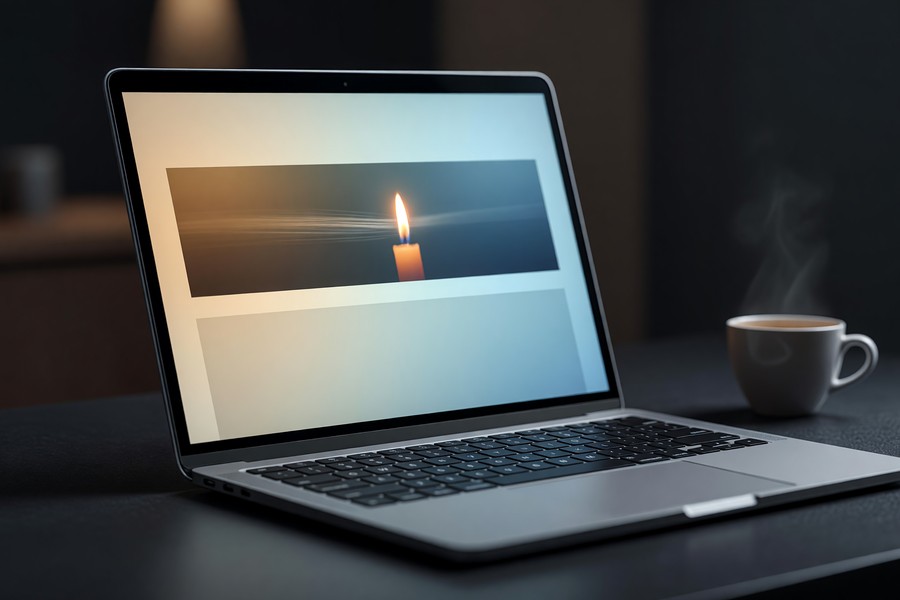
Cinemagraphs used as website hero backgrounds have been shown to reduce bounce rates by up to 20% compared to static hero images, according to data published by Flixel’s business case studies. The looping motion increases time-on-page without the bandwidth cost of a full video.
Should You Use a Free or Paid Cinemagraph App Mobile Tool?
For casual social media use, a free tier from Werble, Lumyer, or Plotagraph Pro is sufficient. For professional or commercial output, a paid plan is necessary to remove watermarks, unlock higher export resolutions, and access advanced masking controls.
What Free Tiers Actually Offer
Most free tiers are functional but limited. Werble’s free version adds a visible watermark to all exports. Plotagraph Pro’s free tier caps users at 3 total exports per month. Lumyer is the most generous free option, offering a full set of base effects without a watermark, though premium effect packs require purchase.
When to Invest in a Paid Subscription
A paid cinemagraph app mobile subscription makes sense if you are producing content for clients, running paid ads, or publishing to a brand account. The Flixel Cinemagraph Pro plan at $7.99/month includes 4K export, unlimited saves, and access to the Flixel community — a comprehensive toolkit for professionals. For context on evaluating creative software subscriptions against your overall tech budget, our breakdown of what you actually give up with free apps provides useful framing.
It is also worth noting that AI tools are rapidly changing the cinemagraph creation process. Apps like PixaMotion and emerging features inside Adobe Express are beginning to use generative AI to animate still images without requiring any video source material. For a broader look at how AI is reshaping creative and search tools, see our article on how AI is changing the way we search the internet.
When shooting source footage for a cinemagraph, use a tripod and set your camera to 60 frames per second. Higher frame rates give you more frames to work with when finding a clean loop point, which dramatically reduces visible jump artifacts in the final export.
Frequently Asked Questions
What is the best cinemagraph app for Android?
Plotagraph Pro and Lumyer are the top cinemagraph app mobile options for Android users. Flixel Cinemagraph Pro is iOS-exclusive, so Android creators are better served by Plotagraph’s motion path system or Lumyer’s effect overlays, both of which are available on Google Play.
Can you create a cinemagraph from a single photo without video?
Yes. Plotagraph Pro, StoryZ, and Lumyer all generate cinemagraph-style animations from a single still image using AI motion paths. You place directional arrows to define where motion should flow, and the app generates the loop without any video footage.
Are cinemagraphs the same as GIFs?
No. A GIF animates the entire frame and typically has lower image quality due to its 256-color palette limitation. A cinemagraph keeps most of the image frozen as a high-quality photograph, animating only a specific masked region. Cinemagraphs can be exported as GIFs, but the format itself is more sophisticated.
Is Flixel Cinemagraph Pro worth the subscription cost?
Flixel Cinemagraph Pro at $7.99/month is the most feature-complete dedicated cinemagraph tool on mobile. For professional content creators or marketers running paid social campaigns, it is worth the cost. Casual users producing content for personal accounts may find the free tier of Werble or Lumyer sufficient.
What video length works best for cinemagraphs?
Source video clips of 3 to 10 seconds work best. Shorter clips give the app a manageable number of frames to loop without jarring repetition. The motion element (steam, water, fabric) should have a naturally repetitive cycle that can be trimmed to a smooth in-and-out point.
Can cinemagraphs be used in email marketing?
Yes, when exported as animated GIFs. Most major email clients including Apple Mail and Gmail support GIF playback. Campaign Monitor reports that animated content in emails can increase click rates by up to 26%. Keep file sizes below 1MB for reliable rendering across all clients.
Does creating cinemagraphs require a professional camera?
No. Modern iPhone and Android flagship cameras produce footage at sufficient quality for cinemagraph creation. The most important factors are a stable shooting surface (use a tripod), good lighting, and a scene with isolated, predictable motion. Apps like Flixel even include an in-app camera optimized for capture.
Sources
- Flixel — Cinemagraph Pro Official Product Page
- Forbes Communications Council — Why Cinemagraphs Outperform Videos and GIFs in Marketing
- WordStream — Cinemagraph Advertising Research and Performance Data
- Plotagraph — Official Plotagraph Pro App Page
- Campaign Monitor — Animated GIFs in Email Marketing Guide
- Apple App Store — Werble: The Photo Animator Listing
- Flixel — Cinemagraph Business Use Cases and Case Studies
- Grand View Research — Animated Content and Digital Media Market Reports