Fact-checked by the VisualEnews editorial team
Quick Answer
The best retro film photo apps in July 2025 include VSCO, Huji Cam, Afterlight, and Snapseed, with VSCO alone counting over 200 million registered users. These apps simulate grain, light leaks, and color fading from film stocks like Kodak and Fujifilm, and most offer free core features with optional paid upgrades.
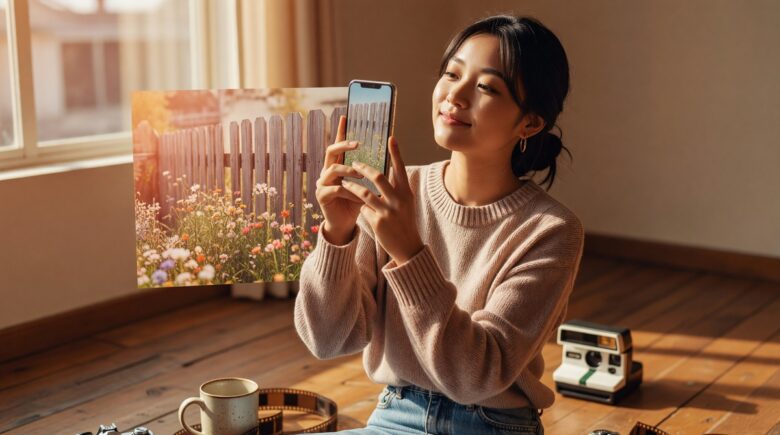
Retro film photo apps transform digital smartphone photos into images that mimic the look of 35mm film, instant cameras, or expired stock — complete with grain, vignetting, and warm color shifts. According to Statista’s photography market data, mobile photo editing apps generate over $1.5 billion in annual global revenue, with film simulation filters among the most-used features.
The nostalgia economy is accelerating demand. Gen Z photographers are driving a measurable resurgence in analog aesthetics, making this category one of the fastest-growing segments in the mobile creative app market.
What Are Retro Film Photo Apps and How Do They Work?
Retro film photo apps apply digital signal processing to recreate the optical and chemical characteristics of analog film. They simulate grain structure, chromatic aberration, halation, and color response curves specific to real film stocks.
Most apps in this category use one of two approaches. The first is LUT-based filtering (Look-Up Tables), which remaps color values to match a target film stock. The second is layer-based simulation, which adds procedurally generated grain, dust, and light leak overlays on top of the image. Apps like Afterlight and VSCO combine both methods for more accurate results.
Key Film Effects These Apps Simulate
Understanding what each effect does helps you choose the right app for your style:
- Grain: Mimics silver halide crystals; heavier at higher ISO equivalents.
- Light leaks: Simulates light entering the camera body and fogging the film.
- Color fading: Replicates the cyan shadow shift common in aged Kodak stocks.
- Vignetting: Darkens image edges to simulate lens falloff.
- Date stamps: Reproduces the orange timestamp feature of late-1990s consumer cameras.
Key Takeaway: Retro film photo apps use LUT-based color remapping and procedural grain overlays to replicate analog film. Apps like VSCO and Afterlight combine both techniques, making them the most technically accurate options for film simulation in 2025.
Which Retro Film Photo Apps Are Worth Using in 2025?
The strongest retro film photo apps in 2025 are VSCO, Huji Cam, Afterlight, Snapseed, and RNI Films — each excelling in a distinct area of film simulation.
VSCO remains the category leader. Its film presets are modeled on real stocks including Kodak Portra, Fujifilm 400H, and Ilford HP5. The free tier includes a limited preset library, while VSCO Pro costs $29.99 per year and unlocks the full catalog of over 200 presets. For a deeper look at whether premium app subscriptions justify their cost, see our guide on free vs paid apps and what you actually give up.
Huji Cam takes a different approach: it shoots live through the app’s viewfinder, adding a date stamp and light leak simulation in real time. It costs a one-time $0.99 and has been downloaded over 10 million times on iOS alone. Afterlight 2 offers the most granular control, with 128 film textures and adjustable grain intensity sliders. RNI Films (Real Nice Images) is favored by professional photographers for its scientifically calibrated film profiles.
“The best film simulation apps don’t just add grain — they model the entire photochemical response curve of a specific emulsion. The difference between a good app and a great one is whether it handles highlight rolloff correctly.”
Key Takeaway: Among the top retro film photo apps, VSCO Pro at $29.99/year offers the broadest preset library, while Huji Cam delivers authentic real-time film simulation for a one-time $0.99 — making it the best value for casual users.
| App | Platform | Price | Best For | Film Stocks Included |
|---|---|---|---|---|
| VSCO | iOS, Android | Free / $29.99/yr | Comprehensive editing | 200+ presets |
| Huji Cam | iOS, Android | $0.99 one-time | Real-time film capture | 1 (disposable cam) |
| Afterlight 2 | iOS | $2.99 one-time | Advanced grain control | 128 textures |
| RNI Films | iOS, Android | Free / $5.99/yr | Professional accuracy | 100+ calibrated profiles |
| Snapseed | iOS, Android | Free | Full editing + grain | Grain simulation only |
Are Free Retro Film Photo Apps Good Enough?
Free retro film photo apps are sufficient for most casual users, but paid options deliver measurably better color accuracy and more authentic grain rendering. The quality gap is most visible in highlight rolloff and shadow tones.
Snapseed, developed by Google, is the strongest free option. Its grain tool lets users set size, roughness, and strength independently — a level of control most paid apps don’t match. However, it lacks dedicated film stock presets. VSCO’s free tier includes 10 presets, which is adequate for basic use but limiting for serious work.
If you’re managing your app spending carefully, it’s worth auditing which subscriptions you actually use regularly. Our article on auditing digital subscriptions that drain your budget offers a practical framework for making that call. The cost difference between free and paid retro film photo apps is typically under $6 per year — often worth it for frequent users.
Key Takeaway: Snapseed by Google is the best free retro film photo app for grain control, while VSCO’s free tier covers 10 presets — enough for casual use but limited for photographers seeking specific film stock accuracy.
How Do You Get the Most Realistic Film Look from These Apps?
The most realistic film results come from combining correct exposure at capture, minimal in-app sharpening, and layered application of grain before color grading — not after.
Shooting with slightly underexposed frames produces the shadow crush and muted highlight response that analog film naturally delivers. Over-sharpened digital photos resist film simulation because the artificial edge clarity breaks the analog illusion. Reduce sharpness by 20–30% before applying any film preset for more convincing results.
Workflow for Authentic Film Simulation
Follow this sequence for the most accurate output:
- Shoot in the highest available resolution or RAW format if your app supports it.
- Reduce digital sharpening before applying any filter.
- Apply the film preset at 60–80% opacity rather than full strength.
- Add grain last, at a size matching the ISO equivalent you’re simulating.
- Use vignetting conservatively — real lenses vignette subtly, not dramatically.
Understanding how image processing interacts with hardware also matters. The sensor quality in your smartphone directly affects how well grain and color grading layer onto the base image — something covered in detail in our comparison of storage and hardware performance factors for creative professionals.
Key Takeaway: Apply film presets at 60–80% opacity and add grain after color grading for the most realistic analog results. Reducing digital sharpness by 20–30% before filtering is the single most impactful workflow adjustment, according to Fstoppers’ film app testing.
What Trends Are Shaping Retro Film Photo Apps in 2025?
Three major trends define the retro film photo apps market in 2025: AI-assisted film matching, social platform integration, and the rise of disposable camera apps targeting Gen Z.
AI film matching is the most significant development. Apps like Halide and Darkroom now use machine learning to analyze a reference photo and automatically generate a matching film LUT. According to Business of Apps’ 2024 photo app market report, AI-enhanced editing tools increased user retention rates by 34% compared to static filter apps.
The disposable camera format — popularized by Huji Cam — has spawned over a dozen direct competitors, including Dispo and Kamon. These apps lock the image behind a “develop” delay of 8–24 hours, simulating the experience of sending film to a lab. This mechanic has proven particularly effective for social engagement, with TechCrunch reporting that delayed-reveal apps see 2.3x higher share rates than instant-filter alternatives.
The convergence of AI and analog aesthetics also connects to broader shifts in how software is being developed — a topic explored in our coverage of how AI is changing the way we interact with digital tools.
Key Takeaway: AI-driven film matching increased photo app user retention by 34% in 2024, per Business of Apps. Disposable camera-style apps with delayed image reveals generate 2.3x higher social share rates than standard filter apps — making them the fastest-growing format in the retro film category.
Related reading: aio quick authority: mistakes using.
Frequently Asked Questions
What is the best free retro film photo app for iPhone in 2025?
Snapseed is the best free retro film photo app for iPhone in 2025. It offers independent grain size, roughness, and strength controls at no cost. VSCO’s free tier is also strong, with 10 film-style presets available without a subscription.
What app makes photos look like old film with a date stamp?
Huji Cam is the most popular app for adding an authentic date stamp and film aesthetic. It costs a one-time fee of $0.99 and simulates the look of a disposable camera from the late 1990s, including light leaks and a red timestamp in the corner.
Are retro film photo apps available on Android?
Yes, most major retro film photo apps support Android. VSCO, Huji Cam, RNI Films, and Snapseed all have Android versions on Google Play. Afterlight 2 is the main exception, as it remains iOS-exclusive as of July 2025.
Do retro film photo apps work on RAW images?
Several do. Darkroom, Lightroom Mobile, and VSCO all support RAW file processing on compatible iPhone and Android devices. Processing RAW files before applying film presets gives significantly more control over grain and color response than editing compressed JPEGs.
What app do photographers use to get the Kodak Portra look?
VSCO and RNI Films are the most commonly recommended apps for Kodak Portra simulation. VSCO’s A-series presets are modeled on Kodak stocks, while RNI Films offers a dedicated Portra 400 profile calibrated to the film’s actual spectral response data.
Is there a retro film photo app that works in real time through the camera?
Huji Cam and Kamon both apply film effects through the live camera viewfinder in real time. This means what you see before you press the shutter is exactly what you capture. VSCO and Afterlight only apply effects in post-processing after the photo is taken.
Sources
- Statista — Photography Industry Data and Market Statistics
- Business of Apps — Photo and Video App Market Report 2024
- Fstoppers — Best Film Simulation Apps for iPhone and Android
- VSCO — Official App and Preset Library
- Huji Cam — Official Product Page
- TechCrunch — Mobile App Trends and Social Sharing Data
- Snapseed — Google’s Free Photo Editing App